Bothell, WA · Open 7 Days

Low Water Pressure Repair in Bothell, WA

Weak shower, slow-filling toilet tank, or water pressure that has dropped noticeably over the past few months? Pine Rooter diagnoses low water pressure at its source — pressure reducing valve, corroded galvanized pipe, partially closed shutoff, or main line issue — and fixes it.

  • Pressure diagnosis at meter, PRV, and fixtures
  • Galvanized pipe restriction assessment
  • PRV adjustment or replacement
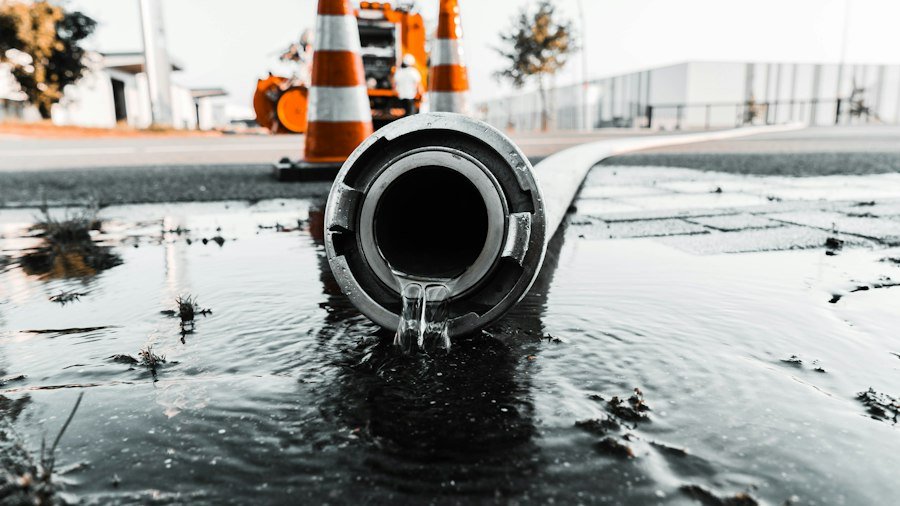
Water pressure issue from a pipe in Bothell, WA before Pine Rooter repair
5.0 Stars45 Reviews
Same DayService
10+ YrsExperience
5.0
45 Verified Reviews
10+
Years of Experience
Same-Day
Service Available
Licensed
& Fully Insured

What actually causes low water pressure?

There are four main causes: a pressure reducing valve (PRV) set too low or failing, corroded galvanized supply pipe restricting flow, partially closed shutoff valves, or a problem with the city supply itself. Testing pressure at the meter, before and after the PRV, and at individual fixtures identifies exactly where the drop is occurring rather than guessing. In older Bothell homes, corroded galvanized pipe is the most common source -- the interior narrows from mineral scale and rust over decades, and a pipe that looks intact from the outside can be nearly closed on the inside, which does not respond to PRV adjustment or any other quick fix.

Why Bothell homeowners choose Pine Rooter for water pressure repair

Systematic diagnosis at each point in system

We do not guess at the cause of low pressure. Every diagnosis follows a pressure test sequence from the meter through the PRV to individual fixtures, so the recommendation we make is based on data, not assumption. You get a clear explanation of exactly where the pressure drops and why.

PRV replacement carried on truck

We stock common PRV sizes on every truck. If your PRV is the cause, we can replace it the same day rather than scheduling a return visit after sourcing the part. PRV replacement is one of the most effective single-repair fixes for whole-home low pressure, and we carry what we need to complete it in one call.

Honest assessment of pipe condition

If the diagnosis points to galvanized pipe restriction, we tell you plainly what we found and what the options are. We inspect accessible pipe, explain what we see, and give you an accurate picture of how much of the system is affected before recommending a repiping scope. No exaggeration, no minimizing.

Repiping recommendation only when pipe genuinely restricts flow

We do not recommend repiping because a home has galvanized pipe. We recommend it when pressure testing and pipe inspection confirm that the galvanized pipe is actually restricting flow to a degree that affects daily use. If the pipe is old but still delivering adequate pressure, we say so.

Upfront price before any work

After completing the diagnosis, we quote the repair price before touching anything. You know what the job costs before work begins. There are no charges added after the fact and no pressure to approve work you did not ask for. The quote is the price.

Signs your water pressure needs professional attention

  • Shower pressure is noticeably weaker than it used to be
  • Toilet tank takes more than 2 minutes to refill after flushing
  • Multiple fixtures have reduced pressure simultaneously
  • Pressure dropped after a recent repair or plumbing work
  • Water runs at full pressure at meter but low inside home
  • Home has galvanized supply pipe and is over 40 years old

Simple checks you can do right now

  • Check whether the main house shutoff valve is fully open. Gate valves should turn fully counterclockwise. Ball valves should be parallel with the pipe. A partially closed valve is one of the most common and most overlooked causes of sudden pressure drops.
  • Remove and rinse the aerator screens on affected faucets. Unscrew the aerator tip from the spout, rinse it under running water, and reinstall. If pressure improves significantly on that faucet, you found the cause for that fixture.
  • Note whether hot pressure, cold pressure, or both are affected. If only hot water has low pressure, the restriction is likely in the hot supply line. If both are affected equally, the PRV or main supply is more likely the cause.
  • Note whether pressure is worse when multiple fixtures run at the same time versus when only one is running. Pressure that is acceptable with one fixture but drops dramatically when a second opens suggests a supply pipe that cannot deliver enough volume.
  • Write down when the pressure drop started and whether anything was done to the plumbing around that time — repairs, inspections, or utility work near the meter. This timeline helps us narrow the diagnosis before we arrive.
  • If you have a pressure gauge, thread it onto an exterior hose bib and note the static reading -- having a number ready before we arrive speeds up the diagnostic sequence.

Match your symptom to the right service

Low pressure can come from the pipe, the fixture, or the valve. Here is a quick way to tell which one applies.

PRV failure and galvanized pipe restriction feel similar but require different repairs

Both a failing PRV and heavily corroded galvanized pipe produce the same result — low pressure throughout the home — but they have very different solutions and very different costs. A PRV replacement is a straightforward job that takes a few hours and costs a fraction of a repipe. Spending money on the wrong fix first is a mistake that a systematic pressure test avoids.

PRV failure tends to affect all fixtures equally and all at once. The pressure drop is uniform because the PRV is the single point through which all household water passes. If you had good pressure last year and it dropped noticeably without any pipe work being done, and the drop affects every fixture in the home, a failing PRV is the first thing to test.

Galvanized pipe restriction tends to be uneven. Hot water pressure may be worse than cold if the hot supply line has corroded more. Fixtures at the far end of a long galvanized run have worse pressure than fixtures closer to the main, and pressure often drops further when multiple fixtures run simultaneously. If pressure is adequate at the meter and after the PRV but still low at fixtures, particularly in a home with galvanized supply lines, the pipe is the cause.

Full-scope water pressure services

From a five-minute valve fix to a full repipe, all diagnosed with the same systematic approach.

Whole-system pressure diagnosis

Pressure testing at the meter, PRV, and fixtures to pinpoint exactly where flow is being lost.

PRV adjustment and replacement

Same-day pressure reducing valve service using common sizes carried on the truck.

Shutoff and meter valve service

Correcting partially closed or seized main shutoff and meter valves that restrict whole-home flow.

Galvanized pipe restriction assessment

Visual inspection and pressure testing to confirm whether corroded pipe is genuinely restricting flow.

Targeted repiping of restricted sections

Repiping only the sections the diagnosis identifies as restricted, not the entire home by default.

Fixture-level flow restoration

Aerator cleaning, cartridge replacement, and supply stop repair for isolated single-fixture pressure loss.

Shower pressure not what it used to be? Low pressure does not fix itself.

Get Emergency Help

How low water pressure diagnosis works

Every low pressure call follows a systematic sequence from the street to the fixture. The goal is to pinpoint the location of the pressure drop so the repair addresses the actual cause rather than the most likely guess.

Measure pressure at hose bib with gauge

We start with a pressure gauge on an exterior hose bib to get a baseline reading of delivered pressure inside the home. This single reading tells us whether we are dealing with low pressure throughout the system or something more localized.

Compare to pressure at meter if accessible

If the hose bib reading is low, we check pressure at or near the meter to determine whether the city supply is delivering adequate pressure to the property. If meter pressure is normal and inside pressure is low, the problem is between the meter and the fixtures.

Test multiple fixtures to locate drop

We test pressure at several fixtures throughout the home — kitchen, bathrooms, hose bibs on different sides of the house — to identify where the pressure changes. Uniform low pressure across all fixtures points to the PRV or main shutoff. Pressure that varies by location points to specific pipe sections.

Inspect PRV if present

We locate the PRV, check its current setting, and test pressure both before and after the valve. A correctly functioning PRV should read lower on the house side than the supply side. A PRV that reads the same on both sides, or is set significantly below the recommended range, is the likely cause.

Check main shutoff and meter valve

Both the main house shutoff and the meter shutoff are inspected to confirm they are fully open. Gate valves are turned fully counterclockwise. Ball valves are confirmed to be in line with the pipe. Partially closed valves are opened and pressure is retested immediately.

Inspect accessible supply lines for corrosion

Visible galvanized supply pipes under sinks, in the utility room, and in the basement are inspected for external corrosion, mineral staining, and signs of restriction. We note where galvanized transitions to copper or PVC, which often marks where restriction begins or ends.

Recommend repair or pipe replacement based on findings

After completing the pressure test sequence, we present findings and recommendations. If a PRV adjustment solves the problem, we do it on the spot. If PRV replacement is needed, we carry common sizes on the truck. If galvanized pipe is the cause, we explain the repiping scope and provide an upfront price before any work begins.

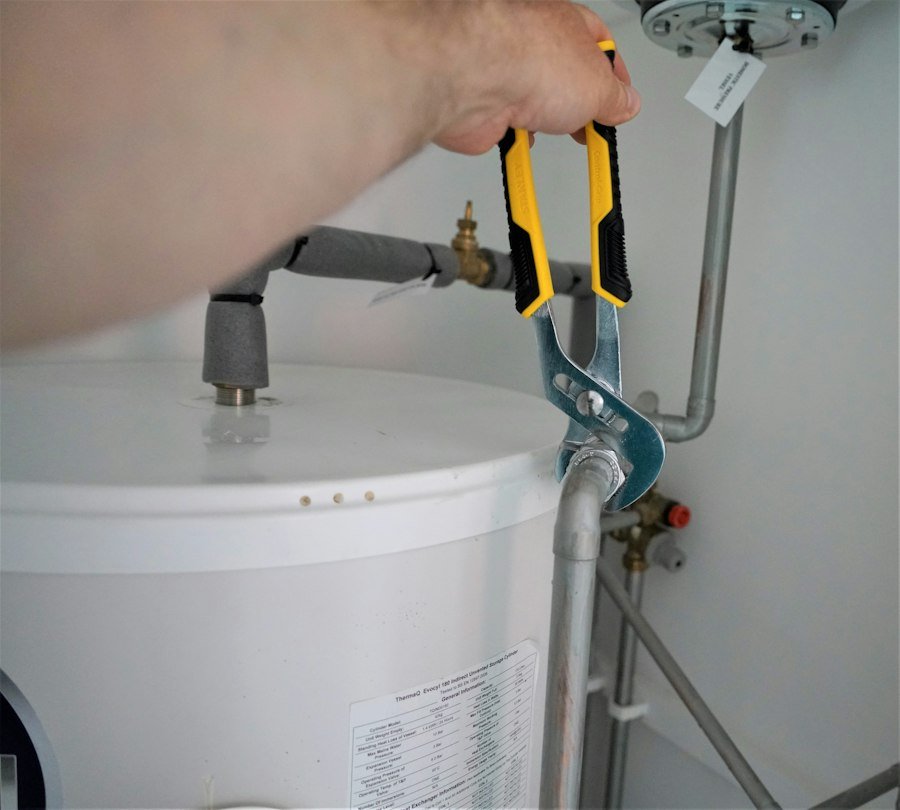
Pine Rooter technician diagnosing water pressure at a pipe fitting in Bothell, WA

What does water pressure repair cost in Bothell?

Cost ranges from almost nothing for a PRV adjustment to a larger project priced by scope for repiping. We diagnose the system first and quote before any work begins.

  • PRV adjustment vs. full PRV replacement
  • Whether the cause is a valve, a shutoff, or the supply pipe itself
  • Extent of galvanized pipe affected if repiping is required
  • Accessibility of the pipe sections and fixtures involved

Protect your pressure between service calls

A few habits catch pressure problems early, before they become a full diagnostic call.

  • Check main and meter shutoff valves are fully open after any nearby plumbing or utility work
  • Clean aerator screens every few months to prevent gradual mineral clogging
  • Note any gradual pressure decline early -- it is easier to diagnose before it becomes severe
  • Have a PRV tested every few years once it passes the 10-year mark
Get Your Estimate

Bothell's city water pressure and galvanized pipe

Bothell's water mains typically run at 60-90 PSI — higher than many cities — so low pressure in Bothell homes almost always originates inside the home rather than from the street. When a Bothell homeowner reports low pressure, the cause is almost always one of three things inside the home: a PRV that has failed, a partially closed shutoff, or corroded galvanized pipe that has been narrowing for years. Pressure at the meter is usually fine; the diagnostic work happens between the meter and the faucet.

Tree-lined residential street in Bothell, WA

Bothell's older neighborhoods — Downtown Bothell, Norway Hill, Beardslee, Woodinville, and much of the Eastside — have a high concentration of pre-1960 homes with original galvanized supply pipe that has been restricting flow for decades. Many of these homes had their drain lines updated or their kitchens and bathrooms renovated, but the supply lines in the walls were left in place because they were not causing obvious problems at the time. By the time pressure drops to a noticeable level, the pipe has typically been corroding for 30 to 50 years.

Code and permitting guidance: A PRV is required by Washington State plumbing code whenever incoming static pressure exceeds 80 PSI, which applies to much of Bothell's higher-pressure service area, so a missing or bypassed PRV is itself a code issue we flag during diagnosis. Repiping sections of supply line generally requires a permit in most local jurisdictions, since it involves altering the potable water distribution system, while a straightforward PRV swap or valve repair typically does not. We confirm permit requirements before any repiping work begins.

Water pressure questions Bothell homeowners ask

The standard recommended range for residential water pressure is 50-60 PSI. Pressure below 40 PSI is considered low and will noticeably affect shower performance, appliance fill times, and flow from multiple fixtures simultaneously. Pressure above 80 PSI is considered high and can stress pipe fittings, appliance valves, and water heater connections over time. A PRV is designed to keep household pressure in the 50-60 PSI range regardless of what the city main is running at.
The most common signs of a failing PRV are whole-home pressure that drops noticeably without any obvious cause, pressure that fluctuates up and down during use, or pressure that is very low even when only one fixture is running. A PRV that is failing closed restricts flow; one that is failing open may allow street pressure to pass through unregulated, causing high pressure symptoms like banging pipes or dripping pressure relief valves. A pressure gauge on an exterior hose bib gives you a reading — below 40 PSI suggests the PRV may be the cause, especially if the home had normal pressure before.
Yes, in many cases. If the cause is a failing PRV, a partially closed shutoff, or clogged aerators, the repair does not involve the pipes at all. Even when galvanized pipe is the cause, it is often possible to repipe only the sections that have the most restriction rather than replacing every pipe in the home. The diagnosis determines the scope. We test pressure at multiple points to identify which sections of pipe are causing the most restriction, and the repair targets those sections specifically. A full repipe is sometimes the most cost-effective long-term solution, but it is not always necessary to restore acceptable pressure.
Galvanized pipe is steel pipe coated with zinc to prevent corrosion. It was the standard supply pipe material in residential construction from the early 1900s through the 1960s and into the 1970s in some markets. Over time, the zinc coating wears away and the steel underneath corrodes. The corrosion does not cause leaks initially — instead it forms rust and mineral scale on the interior surface of the pipe. This buildup narrows the pipe from the inside, progressively restricting flow. A 3/4-inch pipe can be reduced to a small fraction of its original interior diameter after decades of corrosion. The restriction gets worse over time, which is why pressure in galvanized-piped homes tends to decline gradually rather than all at once.
A pressure gauge with a hose thread fitting is available at hardware stores for under $15. Thread it onto an exterior hose bib, make sure no other water is running in the home, and open the hose bib fully. The gauge reads static pressure — what the system delivers when nothing else is drawing water. A reading between 50 and 70 PSI is normal. Below 40 PSI indicates low pressure that is worth investigating. Above 80 PSI indicates high pressure that should be regulated. This test tells you what pressure is being delivered inside the home but does not tell you where in the system the pressure is being lost. That requires testing at additional points, which is what the service call diagnostic covers.

Other services that work with water pressure repair

Low pressure diagnosis often points to pipe condition, fixture issues, or supply line problems. These related services address what the pressure test finds.

One call fixes it

Weak pressure is not something to live with

The cause is identifiable and fixable. A systematic pressure test from meter to fixture tells you exactly what is wrong and what the repair costs. Call a plumber and get a straight answer today.

Get Plumbing Help