Bothell, WA · Open 7 Days

Shower & Bathtub Repair in Bothell, WA

Shower with low pressure, a leaking shower valve, bathtub drain that will not hold water, or a tub that drains too slowly? Pine Rooter diagnoses and repairs shower and bathtub plumbing -- valves, diverters, drains, supply lines, and drain assemblies.

  • Shower valve cartridge and mixing valve repair
  • Bathtub drain and overflow assembly repair
  • Low pressure diagnosis and fix
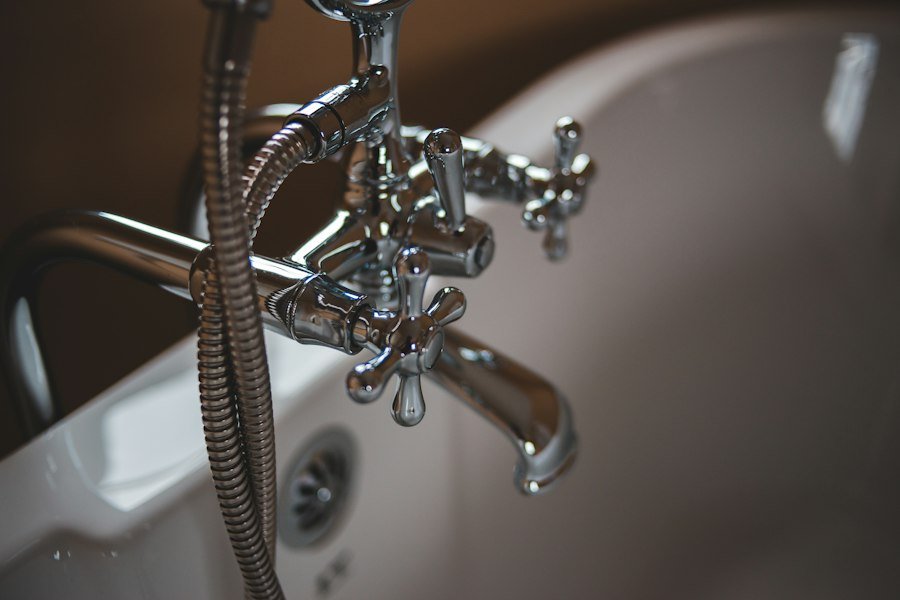
Pine Rooter shower and bathtub repair fixture closeup in Bothell, WA
5.0 Stars45 Reviews
Same DayService
10+ YrsExperience
5.0
45 Verified Reviews
10+
Years of Experience
Same-Day
Service Available
Licensed
& Fully Insured

Why showers and bathtubs develop plumbing problems

Shower valves contain cartridges that cycle thousands of times over their service life. When the cartridge wears, the soft rubber seat loses its seal, causing a continuous drip with the handle off or temperature that will not hold steady. Bathtub drain assemblies rely on a stopper linkage inside the overflow tube that corrodes and shifts out of adjustment over time, causing the tub to hold water poorly or drain slowly even when the line itself is clear. Low shower pressure is usually mineral buildup clogging the shower head's orifices, or a failing pressure-balancing cartridge -- if pressure is normal at every other fixture in the bathroom, the valve or head is almost always the cause.

Why Bothell homeowners choose Pine Rooter for shower and bathtub repair

Cartridge inventory for most common valve models

We stock Moen 1222, 1225, and 1222B cartridges, Delta RP32104 and RP46074, Kohler GP77759 and GP800820, and other high-volume cartridge models on every truck. For most Bothell homes with Moen, Delta, or Kohler valves, we have the correct cartridge already and replace it in a single visit without ordering parts.

Drain assembly rebuilt or replaced same visit

We carry trip lever assemblies, pop-up stopper mechanisms, and stopper seal kits for the most common bathtub drain configurations. A slow tub drain or a stopper that will not hold water is usually resolved the same visit. We do not leave a half-repaired job and come back later when parts are available.

Access panel used when possible to avoid tile cuts

Valve repair almost never requires cutting into tile. We access the valve body through the handle trim from the shower side for cartridge replacement, or through an existing access panel in the wall behind the shower for work that requires reaching the supply connections. We cut tile only when it is genuinely the only path -- and we tell you before we do it.

Full pressure test after repair

After every repair, we restore supply pressure and run the fixture through its full operating range -- hot to cold, high flow to low flow. We do not declare the repair done until we have confirmed there is no drip with the valve off, no leaks at connections, and the stopper holds and releases correctly under filled-tub weight.

Diagnosis covers valve and drain in the same visit

If you have a shower that drips and a bathtub that drains slowly in the same bathroom, we assess both in the same visit. We do not charge a second diagnostic fee to look at a second problem in the same room, and we prioritize completing both repairs before we leave when parts are available.

Signs your shower or bathtub needs repair

  • Shower head drips continuously with the handle fully off
  • Cannot get hot water without turning the handle all the way to the full hot position
  • Bathtub drain will not hold water for a bath -- stopper opens on its own or never seals completely
  • Bathtub drains slowly and a plunger has not resolved the problem
  • Tile or wall behind the shower shows moisture damage, soft drywall, or visible staining
  • Water pressure from the shower head is low while pressure at other fixtures in the bathroom is normal

What to note before the technician arrives

  • Identify the shower valve brand if possible -- check the handle trim or escutcheon plate for a manufacturer name or logo. Moen, Delta, and Kohler are most common in Bothell homes. This helps us bring the right cartridge on the truck.
  • Note whether the problem developed suddenly or has been getting worse gradually -- a sudden drip often means a failed cartridge seat; gradual temperature drift typically means a wearing pressure-balancing element.
  • Know where the bathroom supply shutoff or main shutoff is located. If we need to shut off water quickly, knowing the valve location ahead of time saves time.
  • For bathtub drain issues, test whether the problem is the stopper mechanism (will not hold water) or the drain line (drains too slowly even with the stopper open) -- these are different problems with different solutions.
  • If there is an access panel behind the shower wall, locate it and make sure it is accessible before we arrive -- access through the panel avoids tile work entirely in most valve repair situations.
  • Check whether the drip or pressure issue is worse at certain times of day -- fluctuation tied to other fixtures running elsewhere in the house can point to a shared supply-line issue rather than the valve itself.

Match your symptom to the right fix

A drip, a slow drain, and low pressure at the shower each call for a different service. Here is a quick way to tell which one applies.

How to tell whether a shower valve needs a cartridge or full replacement

The cartridge is the wearing part inside the valve body. The valve body itself -- the copper or brass housing soldered or screwed into the wall rough-in -- is designed to last the lifetime of the house when the cartridge is maintained. In the vast majority of shower valve failures, only the cartridge needs replacement, which means no tile removal, no wall demolition, and no replumbing. A cartridge swap takes less than an hour, at a fraction of the cost of replacing the entire valve.

Full valve body replacement becomes necessary when the body is physically cracked, when threaded connection points have corroded beyond repair, when the valve is a model so old that cartridges are no longer manufactured, or when the homeowner wants to upgrade to a thermostatic or pressure-balancing valve from an older two-handle design. Valve body replacement does require opening the wall, either through an existing access panel or by cutting into tile. We assess the valve body during diagnosis and tell you honestly whether cartridge replacement is appropriate or whether the body needs to go.

Two-handle shower valves with separate hot and cold handles are an older design that can often be reseated or re-stemmed on the individual side that has failed, without replacing the entire assembly. If one side has failed badly and the other is original and aging, we often recommend replacing both at the same visit to avoid a return call when the second side fails shortly after.

Full-scope shower and bathtub repair services

Everything that fails inside a shower or tub enclosure, covered under one visit.

Shower valve cartridge replacement

Moen, Delta, Kohler, and Price Pfister cartridges swapped in a single visit without cutting into tile.

Full valve body replacement

For cracked bodies, discontinued cartridges, or upgrades to thermostatic and pressure-balancing valves.

Bathtub drain and overflow repair

Trip lever, pop-up, and lift-and-turn stopper mechanisms rebuilt or replaced without pulling the tub.

Diverter and tub spout repair

Diverters that will not hold the shower setting, or spouts that leak at the wall connection.

Shower head and hardware replacement

Mineral-clogged heads soaked, repaired, or replaced along with arms and escutcheons.

Two-handle valve reseat and re-stem

Older separate hot and cold valve stems reseated to stop drips without replacing the whole assembly.

Shower dripping with the handle off? A worn cartridge is the cause almost every time.

Fix It Now

How shower and bathtub repair works

Every shower and bathtub repair follows a consistent diagnostic process to make sure the right component is repaired and the repair holds under full working pressure.

Identify symptom -- drip, low pressure, drain issue, or temperature problem

We start by confirming exactly what the problem is -- a continuous drip with the handle off, temperature instability during use, a stopper that will not hold or fully open, or low pressure only from this shower. The symptom tells us which component to examine first and whether the issue is in the valve, the drain assembly, or the supply side.

Shut off water supply

We locate the shutoff serving the shower -- either dedicated shutoffs in an access panel behind the valve, the bathroom supply shutoffs, or the main if no local shutoffs are installed. Shut off prevents water from running while the valve is open. We confirm the shutoff actually holds before opening the valve -- a leaking shutoff is addressed before the repair proceeds.

Access valve or drain assembly

Shower valve access is through the handle trim and escutcheon plate, which unscrew from the valve body without cutting into tile. Drain assembly access is through the overflow plate on the tub surround. We use the access panel behind the shower wall when one exists. We cut into tile only when access from the front is genuinely impossible and the repair cannot be completed without it.

Diagnose component failure

With the valve open, we inspect the cartridge for worn rubber seats, cracked O-rings, or a seized pressure-balancing element. With the drain assembly exposed, we check the stopper seal, the linkage adjustment, and the condition of the trip lever mechanism. We show you what we find and explain whether the component can be repaired or needs full replacement.

Replace cartridge, O-ring, seat, or drain mechanism

We replace the failed component with a manufacturer-correct part. For Moen, Delta, and Kohler valves, we carry the most common cartridges on the truck. For less common brands, we use the correct replacement from our parts stock or source it same-day from a supply house. Drain assemblies are rebuilt with new stopper seals and adjusted linkage, or replaced entirely with a new matching unit.

Reassemble, test at full pressure, and check for leaks

Trim is reassembled and supply is restored. We run the shower at full pressure, test temperature stability by running another fixture simultaneously, and confirm the shower head drip has stopped with the valve off. For tub drain repairs, we fill the tub to confirm the stopper holds and then open it to confirm it drains completely. We check every connection for leaks before we leave.

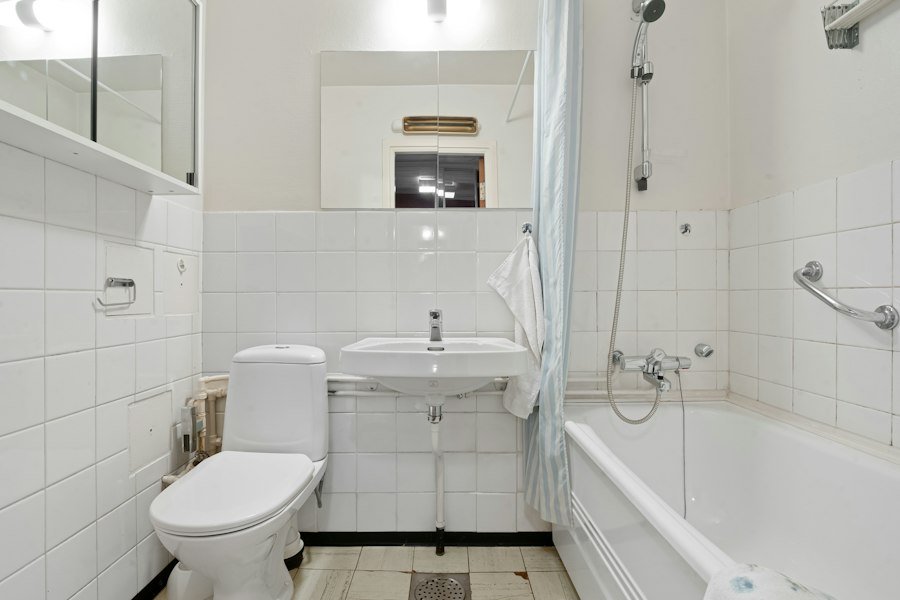
Bathroom with toilet, sink, and tub during Pine Rooter shower and bathtub repair in Bothell, WA

What does shower and bathtub repair cost in Bothell?

Cartridge replacement is one of the more predictable repairs -- the part is a known quantity and labor time is consistent. Repairs that involve tile removal or full valve replacement cost more because the scope is larger. We quote the number after identifying the exact valve model and failed component, before any work begins.

  • Cartridge swap vs. full valve body replacement
  • Whether tile removal or an access panel provides entry
  • Drain assembly rebuild vs. full stopper mechanism replacement
  • Valve brand and cartridge availability -- common models vs. discontinued parts

Extend the life of your shower and tub hardware

A few habits slow how fast valves and drain assemblies wear between repairs.

  • Remove and soak the shower head every few months to clear mineral buildup before it restricts flow
  • Operate the tub stopper gently -- forcing a stiff trip lever accelerates linkage wear
  • Address a minor drip promptly; a worn cartridge left in place damages the valve seat further
  • Avoid slamming the shower handle to full hot or full cold, which stresses the cartridge seals over time
Get Your Estimate

Bothell homes, valve age, and common failure patterns

Many Bothell homes built in the 1970s through the 1990s have original Moen or Delta pressure-balancing shower valves. These valves are exceptionally durable -- the brass body can last indefinitely -- but the cartridge inside is a wearing part with a finite service life. Moen 1222 and 1225 cartridges in valves installed in the 1980s are now 35 to 45 years old and showing the full range of failure symptoms: continuous drip, temperature instability, and handle resistance. Cartridge replacement at this age is overdue maintenance, not a maybe.

Tree-lined residential street in Bothell, WA

Bothell's soft municipal water supply is relatively gentle on shower hardware compared to hard-water regions, but it does not prevent mineral accumulation entirely -- it just slows it. Shower heads in Bothell homes still develop flow-restrictor blockages over time, particularly in homes where the head has never been replaced. Rural well-served properties in King County with harder water see faster mineral buildup on shower heads and faster cartridge wear from scale accumulation. The most common failure by far, regardless of water source, is a worn cartridge causing a drip or temperature drift -- rarely a failure of the valve body itself.

Code and permitting guidance: Replacing a shower valve cartridge or rebuilding a drain assembly is routine maintenance and does not require a permit in most Bothell-area jurisdictions. However, replacing a full valve body, relocating shower plumbing, or converting a tub to a walk-in shower typically does require a permit, since it changes the rough-in plumbing behind the wall. Anti-scald pressure-balancing or thermostatic valves are required by Washington State plumbing code in new shower installations and full valve replacements, which is worth knowing if you are upgrading an older two-handle valve. Always confirm permit requirements with your local jurisdiction before any work that opens the wall.

Shower and bathtub repair questions Bothell homeowners ask

In almost every case, a new cartridge is all that is needed. The valve body -- the housing that is soldered or screwed into the wall -- is designed to last decades and rarely fails on its own. The cartridge is the wearing component that cycles with every use and eventually loses its seal. Symptoms like a continuous drip, temperature instability, and a stiff or spongy handle all point to the cartridge. The valve body needs replacement only when it is physically cracked, threads are corroded beyond repair, or cartridges are no longer made for that model. We assess the valve body during the cartridge replacement visit and tell you if we find a reason to recommend replacement.
No, not for a cartridge replacement. The cartridge is accessed by removing the handle and escutcheon plate -- which unscrew from the front of the valve -- without touching the surrounding tile. The cartridge then pulls out of the valve body with a puller tool and the new one drops in. The trim reinstalls over the same trim ring already on the wall. Tile cutting is only required when the valve body itself needs to be replaced, which is uncommon. We tell you before any tile cutting happens and explain whether there are alternatives, such as an access panel from the wall behind the shower.
Yes, always. The drain assembly -- the stopper, linkage, overflow plate, and drain basket -- is separate from the tub itself and completely replaceable without disturbing the tub. We access the overflow linkage through the overflow plate opening and the drain basket from the tub opening. In the vast majority of bathtub drain repair calls, the tub stays exactly where it is and the repair is complete within an hour. The only scenario where a tub must be moved is when the drain line below the tub is damaged, which is a plumbing issue separate from the drain assembly at the tub surface.
Yes. An intermittent drip means the cartridge seat is failing but has not fully failed yet. The drip will become continuous as the seal degrades further, and intermittent drips waste more water than people expect -- a drip rate of one drop per second wastes over 3,000 gallons per year. More importantly, a cartridge that is failing intermittently is a cartridge that will fail fully soon, and the replacement cost is the same whether it is done now or after it gets worse. There is no advantage to waiting, and fixing it now avoids the water damage risk from an unchecked drip behind the wall.
Not necessarily. Low pressure isolated to a single shower -- while pressure at sinks and other fixtures is normal -- almost always means the problem is the shower head or the valve, not the home's overall supply pressure. The most common causes are a clogged shower head (mineral buildup in the orifices and flow restrictor), a partially failed cartridge that is not opening fully, or a debris-clogged inlet screen in the valve body. Check whether other fixtures in the bathroom have normal pressure. If they do, the issue is the shower head or valve. If pressure is low throughout the home, that is a different problem involving the pressure regulator or supply pressure at the meter.

Other services that work with shower and bathtub repair

Shower and tub repair often connects to related plumbing work. These services are commonly needed alongside or as a follow-up to valve and drain repair.

One call fixes it

A dripping shower and a slow tub drain both have simple fixes

Worn cartridges and failing drain assemblies are the cause in almost every case. We carry the parts, do the diagnosis, and have it working before we leave. Call for same-day service.

Hire a Plumber