Bothell, WA · Open 7 Days

Sewer Line Repair in Bothell, WA

Sewage backing up, persistent drain clogs that cleaning does not fix, or a camera inspection that revealed a cracked or collapsed sewer pipe? Pine Rooter repairs residential and commercial sewer laterals using traditional excavation and trenchless methods depending on the pipe condition and access.

  • Camera inspection to diagnose before recommending repair
  • Trenchless pipe lining and pipe bursting options
  • Full traditional replacement when trenchless is not appropriate
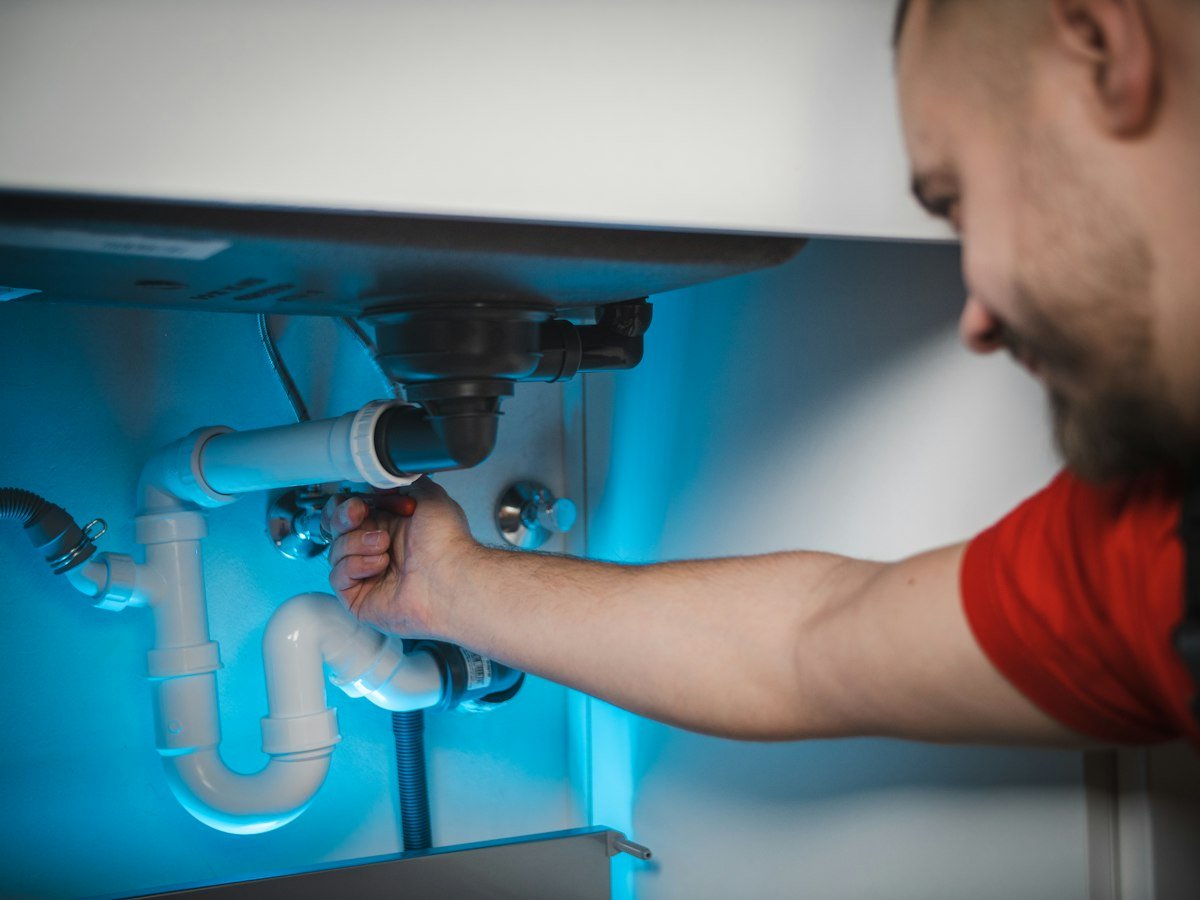
Pine Rooter plumber performing sewer line repair in Bothell, WA
5.0 Stars45 Reviews
Same DayService
10+ YrsExperience
5.0
45 Verified Reviews
10+
Years of Experience
Same-Day
Service Available
Licensed
& Fully Insured

When does a sewer line need repair vs. cleaning?

Cleaning clears a blockage -- roots, grease, or debris -- while the pipe itself remains structurally intact. Repair addresses structural failure: a cracked pipe, a collapsed section, an offset joint, or a belly where the pipe sags and waste accumulates. These conditions cannot be cleaned away because the problem is not what is inside the pipe; it is the pipe itself. Camera inspection is the only way to tell definitively which situation you are in.

Why Bothell homeowners call Pine Rooter for sewer line repair

Camera inspection before any repair recommendation

We do not recommend sewer line repair without showing you camera footage of what is wrong. You see the problem before you approve the repair.

Trenchless options offered when pipe condition allows

We carry the equipment and training to perform trenchless pipe lining and pipe bursting when the camera confirms the pipe condition supports those methods.

Licensed for sewer work in Bothell

Sewer lateral repair in Bothell requires a licensed plumbing contractor. We hold the required licenses and carry the liability insurance.

Permits pulled where required

Some sewer lateral repairs in Bothell require a permit from the local building department. We determine what is required and pull it before starting.

Post-repair camera to verify success

After every repair, we run the camera through the repaired section again. You see before and after footage before we close out the job.

Signs your sewer line may have a structural problem

  • Raw sewage smell in the yard or basement with no obvious source
  • Multiple drains backing up simultaneously throughout the house
  • Soft or sunken spots in the yard directly above the sewer line path
  • Unusually lush or green grass over the sewer line when the rest of the yard is dry
  • Sewage backing up into the bathtub or floor drain when other fixtures are used
  • Camera inspection showing cracks, collapse, root intrusion, or belly in the lateral

What to know before the sewer repair crew arrives

  • Minimize water use in the house until the repair is complete.
  • Know where your sewer cleanout is. If you do not know, that is fine -- we will find it.
  • If possible, note the path of the sewer lateral in your yard.
  • Locate any landscaping, paving, or structures over the sewer line path.
  • Do not use chemical root killers or drain openers while waiting for the repair.
  • Gather any prior camera inspection footage or reports so the crew can compare current conditions to earlier findings.

Match your symptom to the right fix

Not every sewer symptom is a structural repair. Here is a quick way to tell which service actually solves what you are seeing.

When trenchless repair is an option and when it is not

Trenchless sewer repair methods -- pipe lining and pipe bursting -- restore the lateral without excavating the entire pipe run. The appropriateness of trenchless methods depends entirely on pipe condition. Pipe lining requires the existing pipe to retain enough structural integrity to support the liner; a pipe that has already collapsed in sections cannot be lined. Traditional open-cut replacement remains the right method when the pipe has collapsed, when the grade needs correction, or when access conditions make trenchless installation impractical. We recommend the appropriate method based on what the camera shows -- not based on which method is easier to sell.

Full-scope sewer line repair services

From a single offset joint to a full lateral replacement, one crew handles the complete range of sewer repair work.

Trenchless pipe lining

A resin-saturated liner pulled through the existing pipe and cured in place, forming a smooth new pipe inside the old one.

Traditional excavation repair

Open-cut trenching to remove and replace failed pipe sections when trenchless methods are not appropriate.

Root intrusion repair

Spot repair or lining of joints where roots have entered, eliminating the entry point rather than just clearing the roots.

Collapsed pipe replacement

Full replacement of sections that have deformed or collapsed under soil pressure, including deteriorated Orangeburg pipe.

Sewer lateral reconnection

Reconnecting the repaired or replaced lateral to the city sewer main to code.

Post-repair camera verification

Every completed repair is confirmed with a follow-up camera pass before the job is closed out.

Sewage smell in the yard is not normal. Camera inspection shows what has failed.

Call for Urgent Help

How sewer line repair works

Every sewer line repair starts with what the camera shows and ends with a verification that the repaired line is flowing correctly before we leave the property.

Camera inspection and diagnosis

A sewer camera is pushed the full length of the lateral. We record the footage and review it with you before making any repair recommendation.

Review findings and repair options with homeowner

We explain what was found in plain language, the repair options for each defect, and the cost. You choose the approach before any work begins.

Mark utilities and pull permits if needed

Before any excavation begins, we call for a utility locate and pull any required permit.

Repair -- trenchless or excavation

The repair method is what the camera footage and homeowner discussion determined is appropriate.

Post-repair camera verification

After the repair is complete, we push the camera through the repaired section again to confirm the fix.

Site restoration

Excavated areas are backfilled and compacted, sod or pavement is replaced, and the work area is cleaned up.

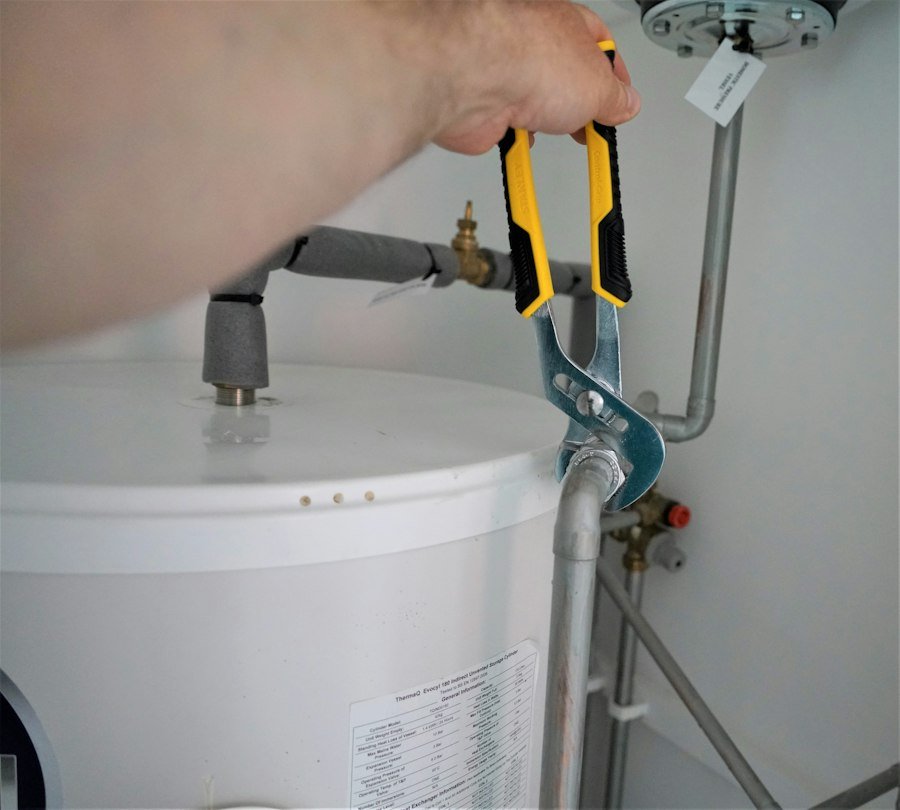
Pine Rooter plumber using a wrench during the sewer line repair process in Bothell, WA

What does sewer line repair cost in Bothell?

After the camera inspection, we explain exactly what was found and the cost of each repair option before any work begins.

  • Length of pipe affected by the failure
  • Type of failure -- offset joint, belly, root intrusion, or collapse
  • Repair method -- trenchless lining, pipe bursting, or open excavation
  • Site conditions -- depth, access, and whether excavation encounters pavement or landscaping

Protect the lateral going forward

A repaired lateral still benefits from the same preventive habits that protect any sewer line.

  • Schedule a camera inspection every 2 to 3 years to catch new defects early
  • Avoid planting trees or large shrubs directly over or near the lateral path
  • Do not pour grease, oil, or food waste down any connected drain
  • Know your cleanout location so future service starts faster
Get Your Estimate

Bothell's sewer lines and why they fail

Bothell's housing stock tells the story of sewer pipe failure before a camera ever goes in the ground. The city's postwar housing expansion from the 1940s through the 1970s produced tens of thousands of homes with clay tile and cast iron sewer laterals that are now between fifty and eighty years old. Clay tile's joint-by-joint construction makes it inherently vulnerable to root intrusion at every bell joint along the pipe. Cast iron corrodes from the inside out over decades, eventually developing pinholes and structural failures as the pipe wall thins.

Tree-lined residential street in Bothell, WA

Bothell's annual rainfall pattern keeps the soil in a continuous cycle of saturation and drying that translates into ground movement. Saturated clay expands laterally and vertically, exerting pressure on buried pipes, and as soils dry in summer they contract, settling away from the pipe. This cycle, repeated annually for decades, gradually shifts pipe grades, stresses joints, and creates the bellies and offsets that recurring drain problems reveal.

Code and disposal guidance: Sewer lateral repair or replacement in Washington State typically requires a permit and must be performed by a licensed plumbing contractor, and work that connects to or disturbs the city sewer main generally requires coordination with the local public utilities department. Unpermitted lateral work can create title issues when a property is sold and may result in orders to redo the repair. Confirm a contractor's WA state plumbing license and pull required permits before any excavation begins.

Sewer line repair questions Bothell homeowners ask

Trenchless sewer repair refers to two methods that restore a failed sewer lateral without excavating the full length of the pipe. Pipe lining (also called CIPP -- cured-in-place pipe) pulls a resin-saturated felt liner through the existing pipe via the cleanout access points, inflates it against the pipe walls, and cures the resin to form a smooth new pipe inside the old one. Pipe bursting pulls a new HDPE pipe through the old pipe while a bursting head fractures the old pipe outward into the surrounding soil. The appropriateness of each method depends on the pipe condition revealed by the camera inspection.
The most reliable signs of sewer line structural failure are: multiple drains backing up simultaneously, sewage odors in the yard or basement without an obvious source, soft or sunken areas in the yard directly above the sewer line path, unusually lush grass over the lateral during dry months, and the same drain clogging repeatedly in a short interval after professional cleaning. Camera inspection is the only way to confirm what is actually happening in the pipe.
It depends on the scope and location of the repair. Minor spot repairs on the homeowner's property may not require a permit, while full lateral replacements and any work that connects to or disturbs the city sewer main typically do. We determine what is required for the specific repair based on the camera findings and the proposed repair scope, and we pull all required permits before work begins.
Repair timeline depends heavily on the method and scope. A trenchless pipe lining installation on a typical residential lateral can often be completed in one to two days. Traditional excavation and pipe replacement takes longer -- typically two to four days for a typical residential lateral, depending on depth, length, and site conditions.
For trenchless repairs, surface disruption is minimal -- limited to the access point locations at each end of the lateral. For traditional excavation, the trench runs along the lateral path and does require opening the yard, but we backfill and compact properly and replace topsoil and sod where removed. We are honest upfront about what the repair will disturb so there are no surprises on the day of the job.

Other services that work alongside sewer line repair

Sewer line repair often starts with cleaning and inspection. Depending on what the camera shows, one of these services may be the right companion or follow-up.

One call diagnoses it

A damaged sewer lateral does not repair itself

A cracked, bellied, or root-damaged lateral gets worse with every flush. Camera inspection shows exactly what has failed and what it takes to fix it for good. Call a plumber now.

Call a Plumber