Bothell, WA · Open 7 Days

Sewer Cleaning Service in Bothell, WA

When your main sewer line backs up, every drain in the house stops working. Pine Rooter provides professional sewer cleaning for homes and businesses across the Bothell area and the surrounding Puget Sound region. We clear the blockage, identify the cause with a sewer camera, and restore full flow — usually in a single visit.

  • Main sewer line cleaning with cable machines and hydro jetting
  • Root removal, grease clearing, and scale buildup treatment
  • Camera inspection included to confirm the line is fully clear
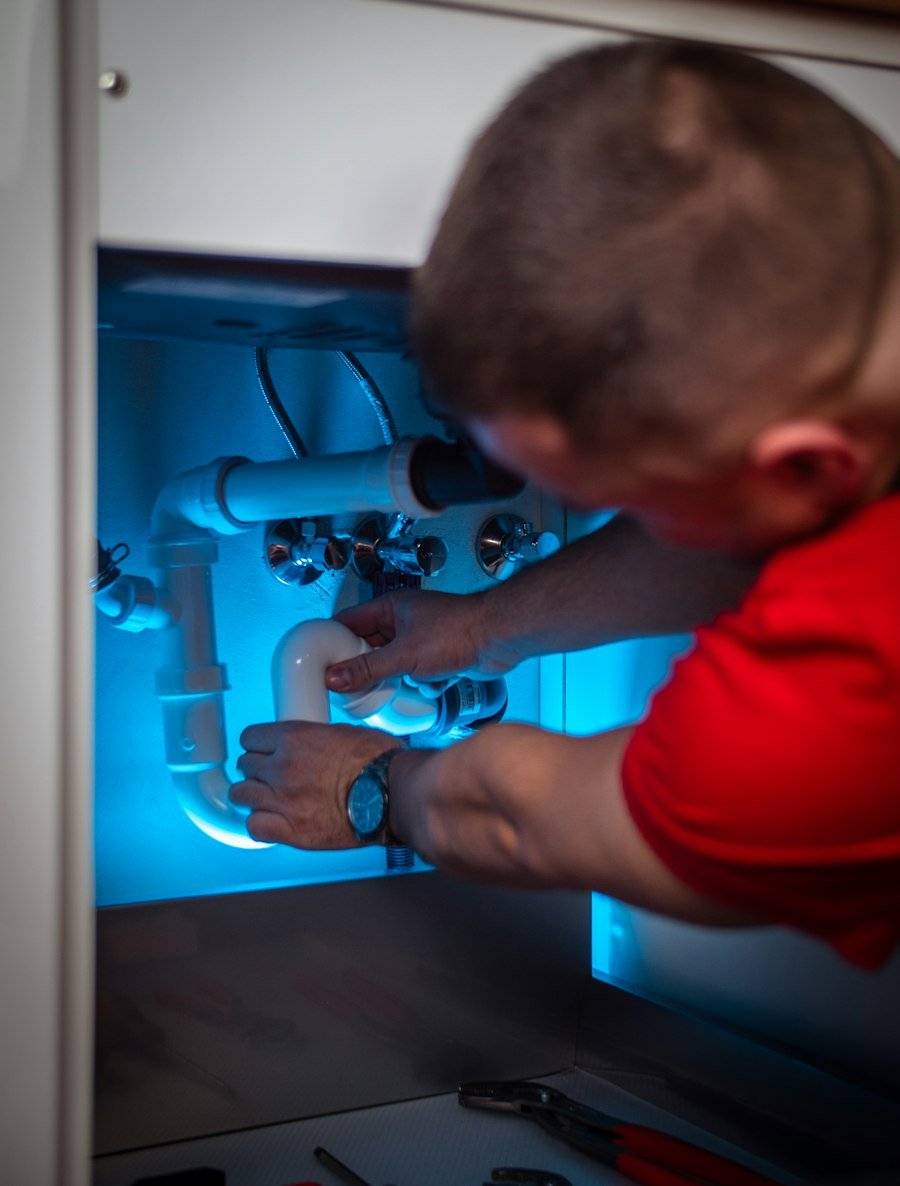
Pine Rooter technician performing sewer cleaning service in Bothell, WA
Same DayService
Licensed& Insured
10+ YrsExperience
5.0
45 Verified Reviews
10+
Years of Experience
Same-Day
Service Available
Licensed
& Fully Insured

What is sewer cleaning, and when does your sewer line need it?

Sewer cleaning is the process of removing blockages, buildup, and debris from your main sewer line — the underground pipe that carries all wastewater from your home to the city sewer main or septic system. Unlike individual drain cleaning, which targets a single fixture, sewer cleaning addresses the trunk line that every drain in the house connects to. At Pine Rooter, sewer cleaning starts with a camera inspection to locate and identify the blockage, then we use the appropriate combination of cable machines and hydro jetting to clear the line completely.

Why Bothell homeowners trust Pine Rooter for sewer cleaning

Sewer-specific equipment on every truck

Our trucks carry heavy-duty cable machines with root-cutting heads, high-pressure hydro jetting units, and push-camera systems.

Camera inspection before and after

We never clean a sewer line blind. The pre-cleaning camera tells us what caused the blockage and where it is. The post-cleaning camera proves the line is clear.

Root removal specialists

Root intrusion is the most common sewer problem in Bothell. We carry multiple cutting head sizes and styles specifically designed for root removal.

Honest diagnosis, not upselling

If your sewer line needs cleaning, we clean it. If it needs repair, we tell you. We do not turn a cleaning call into a pipe replacement unless the camera evidence supports it.

Preventative maintenance programs

For properties with recurring sewer issues, we offer scheduled maintenance cleaning to prevent backups before they happen.

Warning signs your sewer line needs cleaning

  • Multiple drains backing up at the same time — tubs, showers, floor drains
  • Sewage smell inside or outside the house, especially near the cleanout
  • Toilet bubbles or gurgles when you run water in a sink or shower
  • Water backs up into the lowest drain when the washing machine empties
  • Wet, soggy patch in the yard near the sewer line path
  • Slow drains throughout the entire house, not just one fixture
  • Sewage or dark water visible at the cleanout cap

What to do while you wait

  • Stop using all water in the house — every flush and every faucet adds to the backup until the line is cleared.
  • Do not pour chemical drain openers into the sewer line.
  • If you know where the exterior cleanout is, carefully remove the cap to relieve pressure.
  • Note which fixtures are affected and the order they started showing problems.
  • If sewage has reached living space, keep people and pets away from the area until the line is cleared.
  • Check outdoor cleanouts for overflow before it backs up further into the house.
  • Have any prior camera inspection or sewer cleaning records ready to share with the technician.

Match your symptom to the right fix

Not every drain problem is a main line problem. Here is a quick way to tell which service actually solves what you are seeing.

How sewer lines fail: root intrusion, bellying, and scale buildup

A sewer line does not fail overnight. Root intrusion is the leading cause of sewer line blockages in the Bothell area -- roots enter through hairline cracks and loose joints, especially in clay tile and older cast iron pipes. Bellying is a low spot where the pipe has sunk below its intended grade, creating a pocket where water pools and sediment settles. Scale buildup and corrosion in cast iron sewer pipes creates a rough, pitted surface that catches grease and organic matter, progressively narrowing the pipe diameter.

Main line cleaning vs. lateral line cleaning

Main sewer line (your responsibility)

The main sewer line runs from your house to the connection point at the city sewer main, usually 4 to 6 inches in diameter, carrying all wastewater from every fixture in the house.

  • Blockage here affects every drain in the house simultaneously
  • Most common causes: root intrusion, grease accumulation, pipe deterioration
  • Cleaned with cable machines, hydro jetting, or both

Lateral branch lines (inside the house)

Lateral lines are the smaller pipes (typically 1.5 to 3 inches) that connect individual fixtures to the main sewer line.

  • Blockage here affects only the fixture or group of fixtures on that branch
  • Most common causes: grease, hair, soap buildup, foreign objects
  • Typically faster and less expensive to clear than main line work

Full-scope sewer cleaning services

From a single service call to a scheduled maintenance program, one crew handles the full range of sewer cleaning work.

Main sewer line cable cleaning

Cutting through root masses and solid blockages in the main lateral to restore flow.

Root cutting and removal

Specialized cutting heads sever and remove root masses at joints before the line is flushed clean.

Hydro jetting for sewer lines

High-pressure scouring for grease buildup and scale that cable cleaning alone leaves behind.

Pre- and post-cleaning camera inspection

Included on every job to identify the cause before cleaning and confirm the result afterward.

Emergency backup response

Same-day dispatch for active backups affecting multiple fixtures in the home.

Scheduled preventive maintenance programs

Recurring cleaning on a set interval for properties with known root activity or aging pipe materials.

Sewer backing up into the house? Do not wait -- call now.

Call for Emergency

Our sewer cleaning process

Every sewer cleaning job follows the same disciplined sequence. Nothing gets skipped, and you know what is happening at every step.

1. You call, a real person answers

Describe the symptoms — which drains are affected, when it started, and whether water is actively backing up.

2. Locate the cleanout and assess access

The technician locates your sewer cleanout — the access point to the main line, usually found outside the house near the foundation.

3. Initial camera inspection

Before any cleaning begins, we push a sewer camera into the line to see exactly what we are dealing with.

4. Clear the blockage

Using the appropriate combination of cable machines and hydro jetting, we restore full flow to the sewer line.

5. Post-cleaning camera verification

After cleaning, we run the camera through the line again to confirm the blockage is completely cleared.

6. Flow test and recommendations

We run water through the system, confirm every fixture drains properly, and give you an honest assessment of the pipe condition.

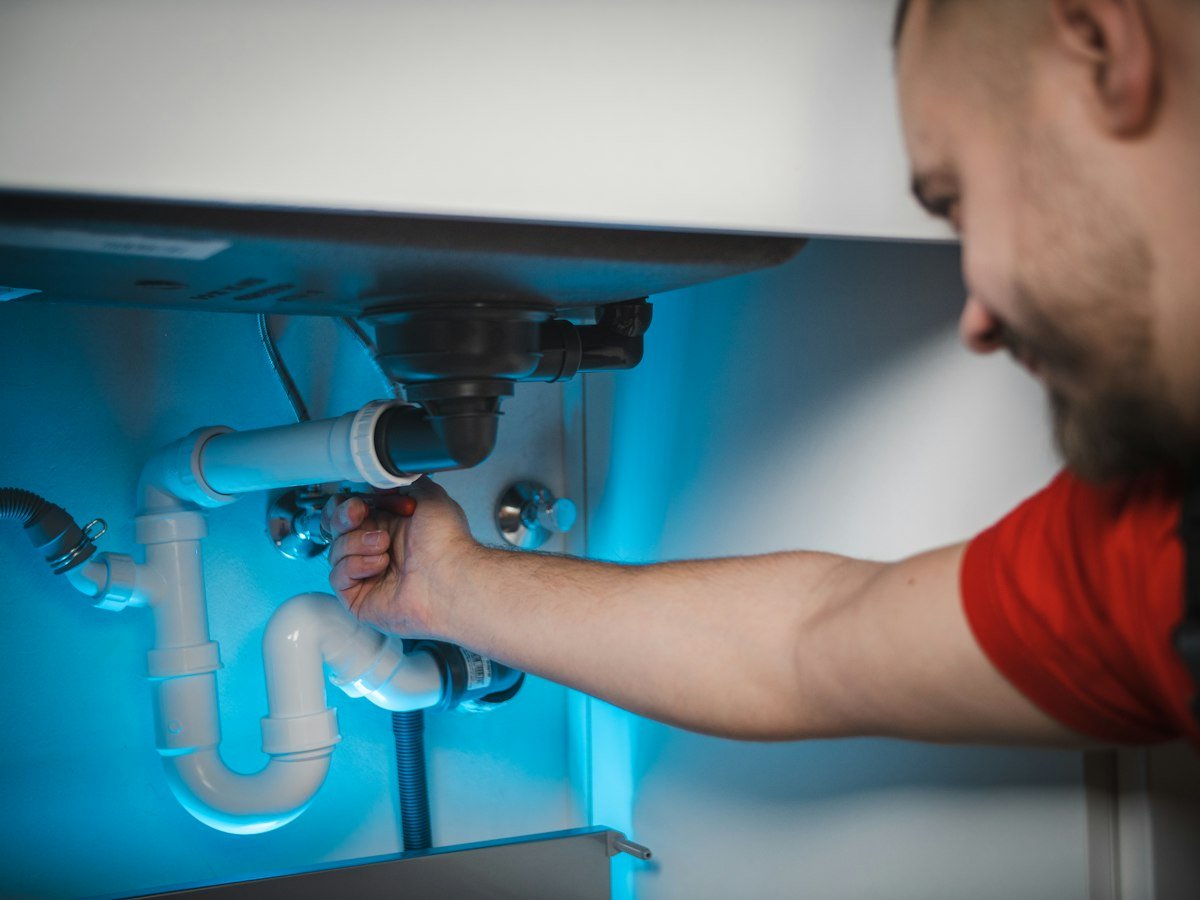
Pine Rooter plumber's hand working during the sewer cleaning process in Bothell, WA

What does sewer cleaning cost in Bothell?

We provide a written estimate after the initial camera inspection, before any cleaning work begins. No surprises, no hidden charges, no inflated emergency rates.

  • Location and severity of the blockage
  • Cause -- roots, grease, or debris
  • Length of the sewer line to be cleaned
  • Whether hydro jetting is required in addition to cable cleaning

Keep the main line clear between calls

A few habits meaningfully reduce how often the main line needs professional cleaning.

  • Schedule preventive cleaning every 12 to 24 months if you have known root activity or older pipe
  • Avoid pouring grease, oil, or food waste down any drain connected to the main line
  • Keep mature tree roots as far as practical from the sewer lateral path
  • Know your cleanout location so service calls start faster
Get Your Estimate

Bothell's soil, roots, and aging sewer lines

Bothell receives an average of 37 inches of rain per year, with the heaviest concentration between October and March. This persistent moisture saturates the glacial till and clay soils common throughout the Puget Sound lowlands, opening joints and creating the bellies that trap waste and restrict flow. The Pacific Northwest's temperate climate and abundant rainfall also produce aggressive tree root systems -- Douglas fir, western red cedar, big-leaf maple, alder, and ornamental cherry trees all seek the moisture and nutrients inside sewer lines.

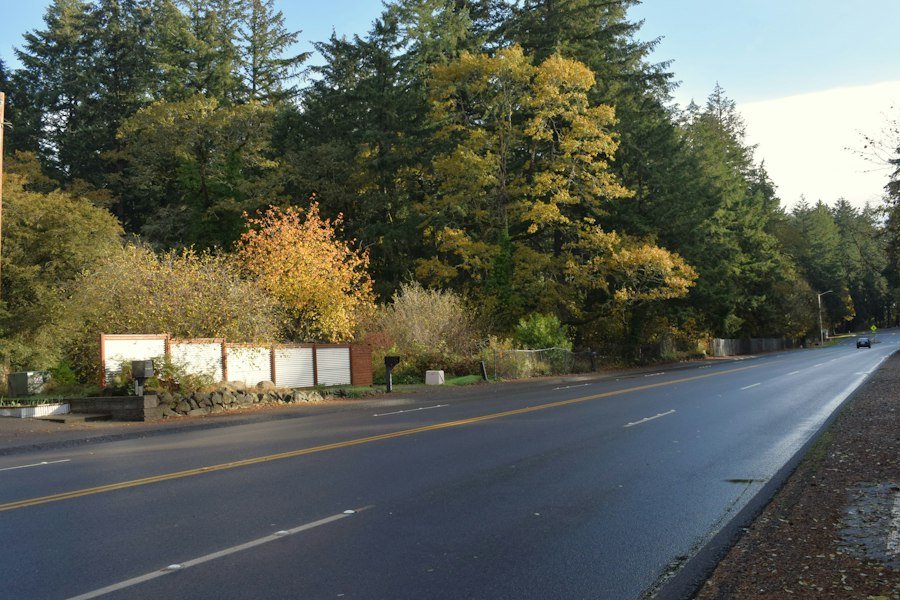
Tree-lined residential street in Bothell, WA

Much of Bothell's residential development occurred between the 1940s and 1970s, connected to the city sewer system with clay tile, Orangeburg (compressed wood fiber), or cast iron pipe. Orangeburg pipe deteriorates and collapses after 50 to 60 years, and many lines in the Bothell area are now well past their expected lifespan.

Code and disposal guidance: The homeowner is generally responsible for the sewer lateral from the house to the city connection point, and Washington State plumbing code requires that any repair to that lateral be performed by a licensed plumber and, in most jurisdictions, permitted before work begins -- cleaning itself does not require a permit. Local sewer authorities also prohibit disposing of grease, oil, and food waste down drains; we can advise on compliant grease-trap maintenance for commercial kitchens.

Sewer cleaning questions answered

If only one fixture is slow or backed up, the blockage is likely in the branch line serving that fixture. If multiple fixtures are affected at the same time — especially the lowest drains in the house — the blockage is in the main sewer line. Gurgling from one fixture when you use another is also a strong indicator of a main line problem. Our camera inspection pinpoints the exact location.
For most homes, sewer cleaning is needed only when a problem occurs. However, properties with known root intrusion, older pipe materials, or a history of backups benefit from preventative cleaning every 12 to 24 months. Commercial kitchens that produce heavy grease may need quarterly or semi-annual cleaning.
Not when done correctly. We inspect the pipe with a camera before cleaning to assess its condition. Sound pipes handle cable cleaning and hydro jetting without damage. If the camera shows a pipe that is severely corroded, collapsed, or structurally compromised, we adjust the cleaning method or recommend repair before cleaning.
Cable cleaning uses a rotating steel cable with a cutting head to break through blockages. It is effective for roots and solid obstructions. Hydro jetting uses high-pressure water to scour the entire interior surface of the pipe, removing grease, scale, and debris that cable cleaning leaves behind. For the most thorough results, we often use both.
Yes. Cleaning removes the roots that are inside the pipe, but it does not seal the entry point. If the pipe has cracked joints or gaps where roots entered, they will regrow — typically within 1 to 3 years depending on tree species and proximity. Options include scheduled preventative cleaning, root-inhibiting treatments, or permanent solutions like pipe lining or replacement.
Standard homeowners insurance policies typically do not cover routine sewer cleaning or blockages caused by roots, grease, or aging pipes. However, if a sewer backup causes water damage to your home, the resulting damage may be covered if you have sewer backup coverage. We provide detailed invoices and camera inspection documentation that support insurance claims when applicable.

Other services that complement sewer cleaning

Sewer cleaning is often part of a larger picture. These related services help complete the job or prevent future problems.

One call fixes it

A sewer backup does not fix itself — it gets worse

Every day the blockage sits, roots grow thicker, grease hardens further, and the risk of sewage in your home increases. A single service call with the right equipment ends it. Call a plumber today.

Book a Plumber