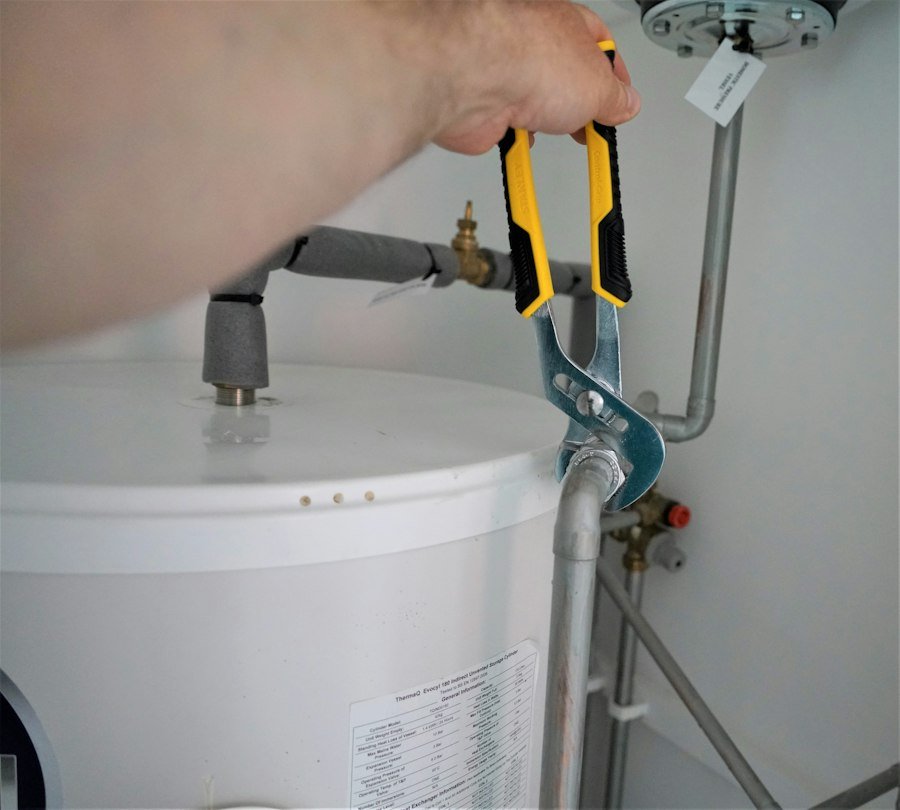
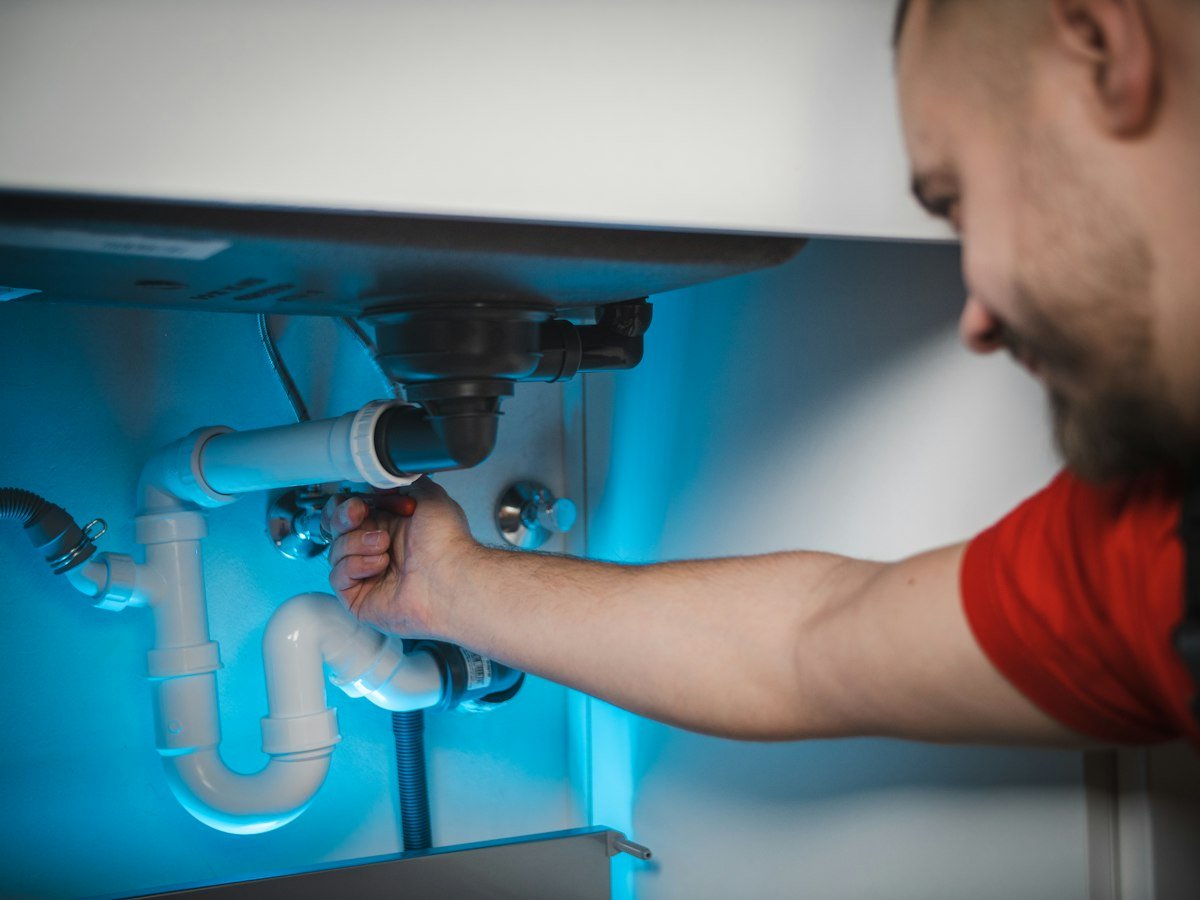
Corroded galvanized supply lines, pinhole leaks in copper, or a drain pipe that cracked under the crawl space? Pine Rooter repairs and replaces residential and commercial pipes using copper, PEX, and CPVC. We match the material to your system, pull permits when required, and pressure-test every connection before we close the wall.
A single leaking joint or a cracked section of pipe is a repair job. The plumber isolates the damaged area, cuts out the bad section, and splices in new pipe with proper fittings. Repiping is the right call when the pipe material itself has reached the end of its useful life -- when the failure is systemic rather than localized, a camera inspection of accessible pipe and a pressure test of the supply system tell you which situation you are in.
We work with copper, PEX, CPVC, cast iron, ABS, and PVC every day. We know which material is right for your specific application and install each one to the manufacturer's specifications and local code requirements.
We route new pipe through crawl spaces, attic spaces, and existing wall cavities whenever possible. When wall access is necessary, we cut precisely sized openings and patch them to a paint-ready finish.
Before closing any wall or ceiling, we pressurize the new pipe system and hold it for a minimum of 30 minutes. Zero leaks confirmed before we move on.
Repiping work in Bothell and surrounding jurisdictions requires permits and inspections. We handle the permit application and schedule the inspection.
If a spot repair will hold for years, we tell you. If the pipe material is failing system-wide, we explain why and show you the evidence.
Not every pipe problem calls for a repipe. Here is a quick way to tell which service actually fits your situation.
An isolated pinhole or a cracked fitting in an otherwise sound system is a spot repair, not a full repipe.
This service handles itBefore cutting into a wall or slab, leak detection pinpoints the exact leak location so the repair is targeted.
See Leak DetectionA cracked or bellied drain pipe underground is a sewer lateral problem, addressed with excavation or trenchless repair.
See Sewer Line RepairCorroded fittings or a failing tank at the water heater connection point is a water heater repair, not a repipe.
See Water Heater RepairWhen it is time to repipe, the material you choose determines the cost, the installation method, and the long-term performance of the system. Copper remains the gold standard, with a proven lifespan of 50 to 70 years, but it is rigid and costs more per foot. PEX has become the most popular repiping material in the Pacific Northwest -- flexible, fewer fittings, faster installation, and more resistant to freeze damage. CPVC is a rigid plastic that costs less than copper and handles hot water well, but it becomes brittle over time. For most Bothell residential repipes, PEX or copper are the stronger long-term choices.
From a single spot repair to a full whole-house repipe, one crew covers every pipe material and every scope of work.
Isolated repair of a single leaking joint, cracked section, or corroded fitting without disturbing the rest of the system.
Complete replacement of aging or failing supply lines with a modern material matched to your home and budget.
Removing corroded galvanized supply lines that restrict pressure and discolor water, and replacing them system-wide.
Proactive replacement of brittle, failure-prone polybutylene supply lines before they split unpredictably.
Updating supply and vent connections at the water heater as part of a repipe or standalone repair.
Every completed system is pressure-tested and, where required, permitted and inspected before closeout.
Whether it is a single pipe repair or a whole-house repipe, every job follows the same disciplined sequence.
We examine the visible piping, test water pressure at multiple fixtures, check water quality, and identify the pipe materials throughout the system.
We explain whether a spot repair will solve the problem or whether the pipe material warrants a partial or full repipe, with upfront pricing for each option.
Drop cloths cover floors and furniture. Access points are planned to minimize demolition wherever possible.
Old pipe is cut out and removed. New pipe is installed with properly sized fittings and support, and every joint is made to code.
Before closing any wall or ceiling, the new system is pressure-tested and, where permitted, the building department inspection is scheduled.
Access openings are patched to a paint-ready state and the work area is left clean.
We do not quote a single price for pipe repair or repiping because every home is different. After inspecting the system, we present a detailed written estimate you approve before we start.
Knowing what is in your walls and watching for early signs prevents small pipe problems from becoming a repipe.
Bothell's residential plumbing tells the story of the city's growth. Craftsman homes built in the 1910s through 1940s typically have galvanized steel supply lines and cast iron drain stacks. Mid-century homes from the 1950s and 1960s used a mix of galvanized steel and early copper. Homes built in the 1970s through 1990s may have copper supply lines with some polybutylene mixed in. Each era brings its own set of pipe problems, and a plumber working in the Bothell area encounters all of them in a single week.
The Pacific Northwest climate adds its own pressure on plumbing systems. Bothell's soil is frequently saturated from persistent rainfall, and ground movement in the clay-heavy soils can shift pipe runs under foundations and in crawl spaces. Temperature swings during winter cold snaps stress rigid pipe materials and cause expansion cycling that loosens joints over time.
Code and disposal guidance: Whole-home repiping in Washington State typically requires a plumbing permit and a building department inspection before walls are closed, and the work must be performed by a licensed plumbing contractor. Homes with known polybutylene or galvanized supply lines often face higher homeowners insurance premiums or coverage restrictions until the pipe is replaced -- check with your insurer if you are unsure whether a repipe affects your policy. Unpermitted repiping work can create complications when a home is sold.
Pipe repair and repiping often uncover or connect to other plumbing needs. These are the services most commonly requested alongside pipe work.