Bothell, WA · Open 7 Days

Leak Detection Service in Bothell, WA

Water bill spiking, damp spots on walls or ceilings, or the sound of running water with everything turned off? Pine Rooter uses electronic leak detection equipment to find hidden leaks behind walls, under slabs, and underground without unnecessary demolition.

  • Non-invasive electronic leak detection
  • Slab leaks, pipe leaks, and underground leaks found
  • Upfront pricing agreed before any work starts
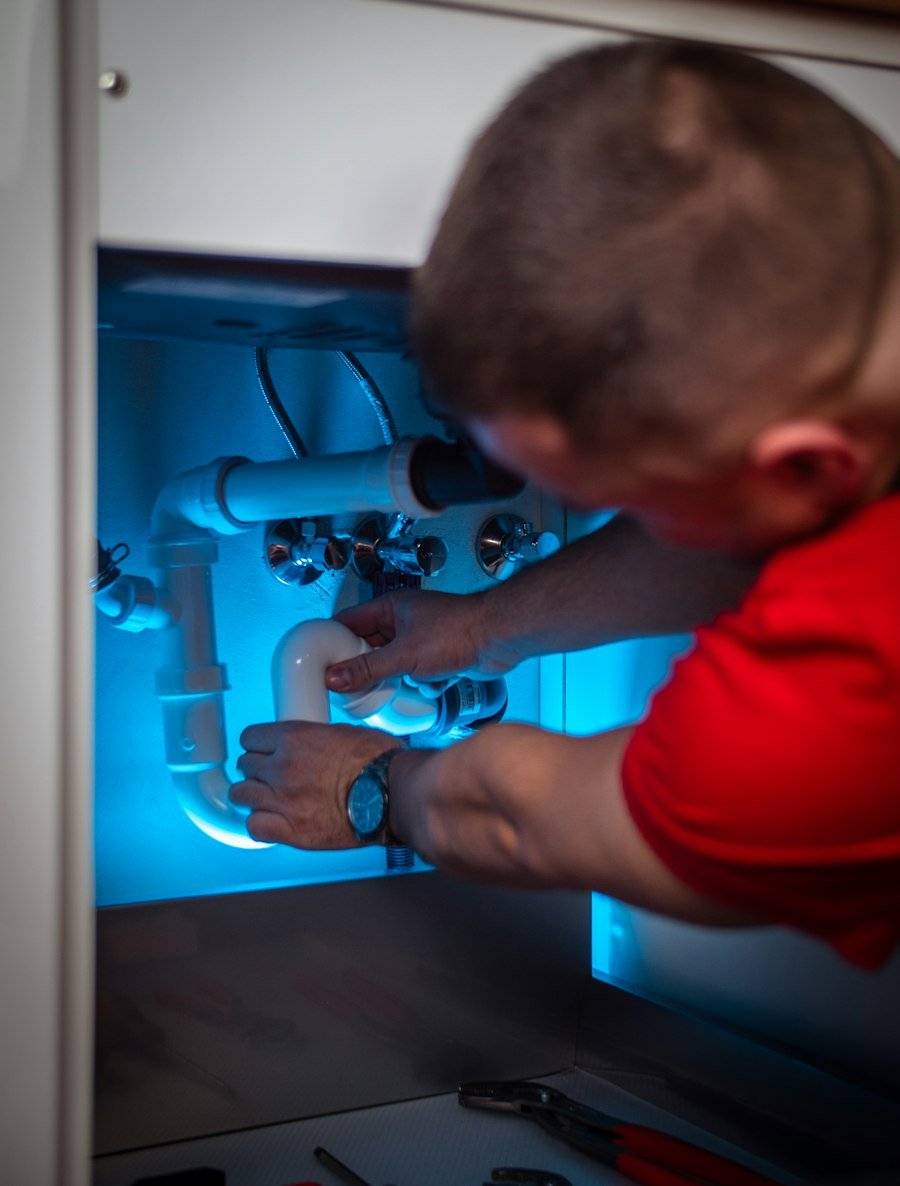
Pine Rooter technician conducting leak detection in a Bothell, WA home
5.0 Stars45 Reviews
Same DayService
10+ YrsExperience
5.0
45 Verified Reviews
10+
Years of Experience
Same-Day
Service Available
Licensed
& Fully Insured

How do you find a leak you can't see?

Electronic acoustic detection equipment finds leaks by listening for pressurized water escaping through pipe walls long before any visible damage appears. When water is forced out of a pressurized supply line through a crack, pinhole, or failed joint, it creates a distinctive sound signature as it contacts the surrounding pipe material and adjacent structure. Sensitive ground microphones and contact sensors pick up those sound frequencies through concrete slabs, soil, and wall finishes. By mapping signal strength across the suspect area, the technician triangulates the leak location and identifies depth -- often to within inches -- without opening any walls or cutting into any concrete.

Why Bothell homeowners call Pine Rooter for leak detection

Non-destructive methods first

We use acoustic detection, thermal imaging, and pressure testing to locate leaks before any wall, floor, or yard is opened. The goal is to know exactly where to cut before cutting -- which keeps demolition small and restoration costs low.

Accurate location before cutting

The detection process produces a precise location and depth estimate for the leak. We mark the spot before any repair begins so that the opening is targeted rather than exploratory.

Licensed plumbers who also do repairs

We do not hand off the repair to a different company after locating the leak. The technician who finds the leak can complete the repair in the same visit or schedule it as a follow-up with the same crew.

Camera inspection on accessible lines

Where drain or supply lines are accessible via cleanout or access panel, we combine acoustic detection with camera inspection to confirm the pipe condition at the leak location before deciding on the repair method.

Written report with findings

After detection, you receive a written report documenting the leak location, estimated depth, probable cause, and repair options -- useful for insurance claims and coordinating with a restoration contractor.

Signs a hidden leak may be present in your home

  • Water bill increased 20% or more with no change in household usage
  • Sound of running water when all fixtures are off and the main supply is open
  • Damp, discolored, or soft spots on walls, ceilings, or floors
  • Warm or soft spots on a concrete floor slab
  • Mold or mildew smell with no visible source or standing water
  • Water meter continues to move when the main shutoff valve is closed

A simple test to confirm a leak is active

  • Turn off every water fixture in the house -- faucets, showers, toilets, the ice maker, the washing machine, and any outdoor irrigation. Everything must be completely off.
  • Go to your water meter. It is typically in the sidewalk strip near the street, under a metal cover. Open the cover and look at the meter face.
  • Look for the small leak indicator dial on the meter face. If it is spinning with everything turned off, water is moving through the meter and a leak is active somewhere in the supply system.
  • Record the meter reading and wait 30 minutes without using any water. Check the reading again. If the number has changed, a leak is confirmed.
  • If the meter shows movement only when the shutoff at the house is open, the leak is on the service line between the meter and the house. Share this information when you call.
  • Photograph any damp spots, water stains, or meter readings before we arrive -- this timeline helps confirm how long the leak has been active.

Match your symptom to the right fix

Not every hidden-water problem is a supply-line leak. Here is a quick way to tell which service actually addresses what you are seeing.

Types of leaks and why each one is hard to spot

Slab leaks. A slab leak is a break in the pressurized supply lines or drain pipes that run beneath a concrete foundation slab. Slab leaks are impossible to locate visually because the concrete covers them completely. Electronic acoustic detection is the standard method for finding them without jackhammering on speculation.

In-wall leaks. Supply line leaks inside wall cavities are particularly slow to reveal themselves because wall insulation absorbs moisture efficiently and wall finishes provide a second barrier before water becomes visible. Finding in-wall leaks early with acoustic detection and thermal imaging limits the demolition and remediation to a much smaller area.

Underground yard leaks. Water supply lines that cross the yard between the water meter and the house can develop leaks from soil movement, root contact, corrosion, or physical damage. Acoustic detection and pressure testing of the main service line confirm the leak before any excavation begins.

Pinhole leaks in copper pipe. Bothell's water chemistry presents a specific threat to the copper pipe installed in homes built from the 1950s through the 1980s. The result is pinhole corrosion -- tiny perforations that develop at seemingly random locations. Electronic detection finds active pinholes before they become gushers.

Full-scope leak detection services

One visit, the right equipment for the situation, and a precise location before anything gets opened.

Slab leak detection

Acoustic detection through concrete floor slabs to pinpoint supply and drain line leaks beneath the foundation.

In-wall supply line detection

Locating leaks inside wall cavities before insulation and framing become saturated enough to cause structural damage.

Underground yard line detection

Finding leaks in buried supply lines between the meter and the house without exploratory trenching.

Pinhole leak diagnosis in copper pipe

Identifying active and developing pitting corrosion in aging copper supply lines before multiple pinholes appear.

Pressure testing and isolation

Isolating sections of the plumbing system to confirm a leak exists and narrow its location before deploying acoustic equipment.

Thermal imaging for hot water lines

Temperature-differential imaging that confirms hot water line leaks through floor and wall finishes.

Water bill spiking for no reason? A hidden leak does not stop on its own.

Call for Emergency

Our leak detection process

Every leak detection call follows a methodical sequence that confirms a leak exists, locates it precisely, and produces a repair plan before any wall, floor, or yard is opened.

Visual inspection of accessible plumbing

We start by examining all accessible supply lines, shutoff valves, fixture connections, and visible drain fittings for any sign of active dripping, corrosion, or mineral buildup.

Pressure test to confirm a leak exists

Before deploying acoustic equipment, we isolate sections of the plumbing system and conduct a pressure test. A pipe section that cannot hold pressure has a confirmed leak somewhere within it.

Electronic acoustic detection

Ground microphones and contact sensors are placed at intervals across the suspect area, mapping signal strength across the area to triangulate the leak location and estimated depth.

Thermal imaging if needed

For hot water line leaks, thermal imaging cameras detect temperature differentials through floor and wall finishes that are invisible to the eye.

Mark location and depth

Once detection confirms the leak location, we mark the spot on the floor, wall, or yard surface with the estimated depth and direction of the pipe.

Report findings and repair options

You receive a written summary of what was found along with the repair options and cost for each. You choose the repair approach before any work begins.

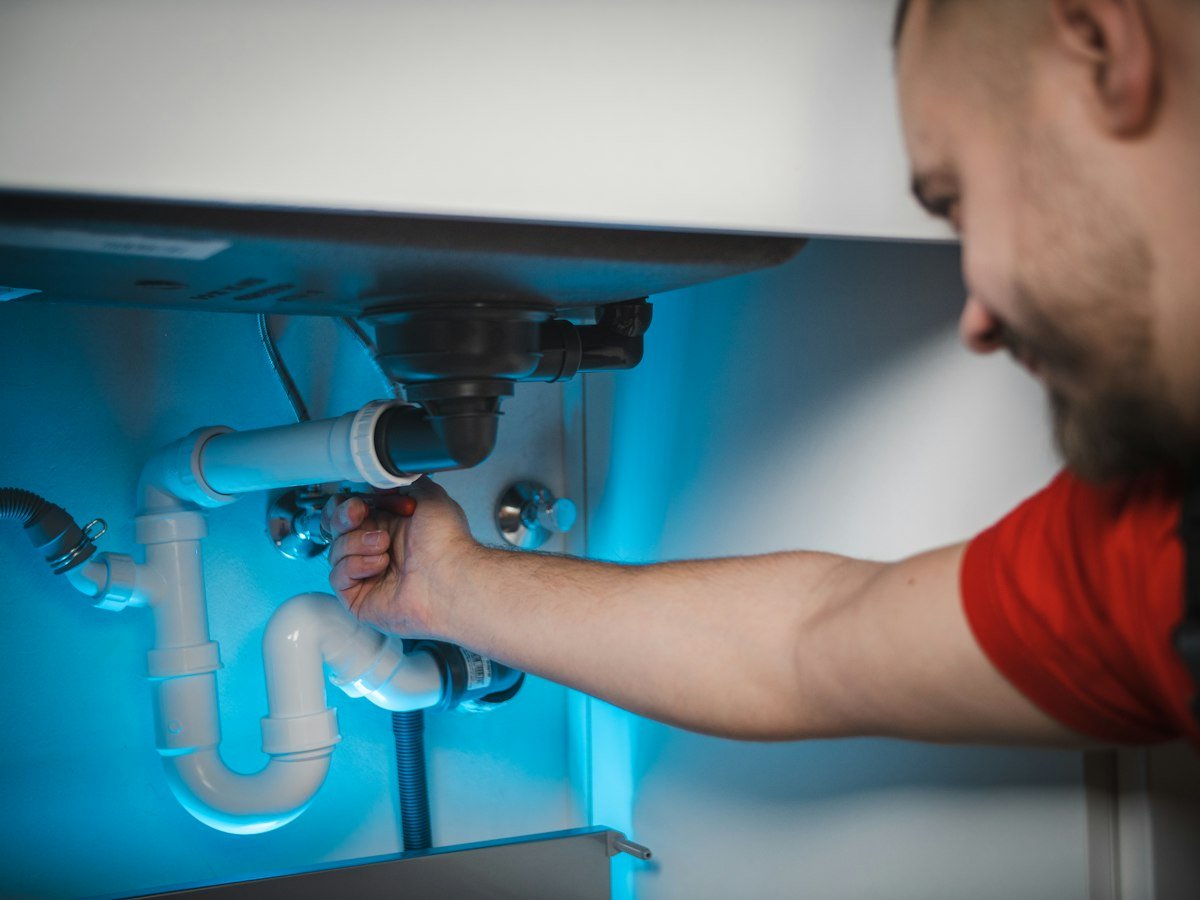
Pine Rooter plumber's hand working during the leak detection process in Bothell, WA

What does leak detection cost in Bothell?

Leak detection cost depends on the size of the area to be surveyed and how many detection methods are needed to confirm the location. We explain the scope and cost before we deploy equipment beyond the initial visual check.

  • Size of the area to be surveyed -- a single suspect zone vs. a full-property scan
  • Type of leak suspected -- slab, in-wall, or underground
  • Number of detection methods needed -- acoustic, thermal, pressure testing
  • Whether a focused inspection or a full-property survey is required

Catch leaks before they hide

A few habits catch a developing leak long before it becomes a hidden one.

  • Have copper supply lines inspected if your home is 40 years or older
  • Check the water meter's leak indicator dial periodically with everything off
  • Address small drips at fixtures and fittings immediately rather than waiting
  • Know your main shutoff location before you need it in an emergency
Get Your Estimate

Why Bothell homes develop hidden leaks

Bothell's copper pipe installed from the 1950s through the 1980s is in a slow war with the local water chemistry. The Cascade snowmelt that feeds Bothell's water supply is naturally slightly acidic, and it attacks copper pipe from the inside at a rate that varies with temperature, flow velocity, and dissolved oxygen. The result in many Bothell homes is pitting corrosion that deepens over decades until a pinhole breaks through. Homes in Canyon Park, North Creek, Riverside, Maltby, and other older Bothell neighborhoods often have original copper supply lines that have now been in service for sixty or more years.

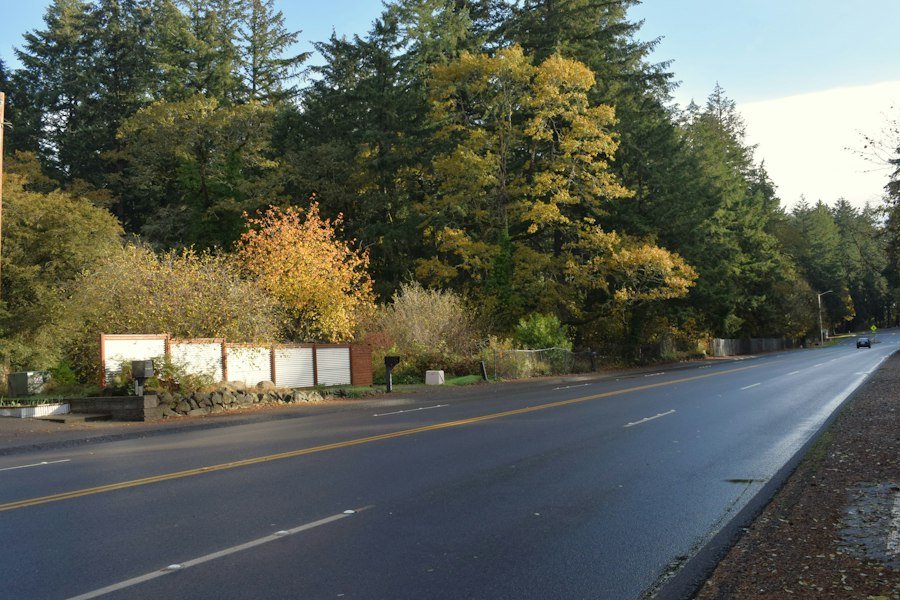
Tree-lined residential street in Bothell, WA

Bothell's clay-heavy soils create a second failure mechanism specific to the Pacific Northwest. Clay soil expands when saturated and contracts during dry periods, and Bothell's seasonal rainfall pattern puts underground pipes through a cycle of soil expansion and contraction that gradually shifts pipe grades, stresses joints, and in some cases pulls pipe sections apart at connections.

Code and disposal guidance: Washington State plumbing code requires that any supply or drain line repair uncovered during leak detection be performed by a licensed plumber, and repairs involving a slab opening or underground excavation typically require a permit and inspection before the area is closed or backfilled. Leak detection itself does not require a permit since no pipe is altered, but confirm any repair contractor's WA state license before authorizing the follow-up work.

Leak detection questions Bothell homeowners ask

Electronic acoustic detection locates pressurized supply line leaks to within a few inches under most conditions. The accuracy depends on the pipe depth, the pipe material, the surface above it, and the ambient noise level at the property. In most residential settings, detection accuracy is sufficient to make a single targeted opening rather than an exploratory cut. Where the signal is weaker, we use additional methods -- thermal imaging, pressure testing of isolated pipe sections -- to narrow the location further before recommending where to open the structure.
No -- the detection process is designed specifically to avoid that. Electronic acoustic sensors read through the concrete slab surface to identify where the leak noise is strongest. We mark the location on the floor surface before any cutting begins. The typical repair access for a slab leak is a single opening of one to two square feet rather than a trench across the floor.
A small leak appears manageable because the immediate water damage is limited. But the rate of damage accumulation is not constant -- it accelerates over time. A leak that has wetted a small area of insulation in week one may have saturated the surrounding framing by week six and begun supporting mold growth by week twelve. Water also follows the path of least resistance into subfloor, into lower floor ceilings, and into structural members in ways that are not apparent from the surface damage alone.
A slab leak is a failure in the water supply or drain pipes that run beneath the concrete foundation slab of a home. When these pipes develop a crack, pinhole, or joint failure, water is released into the soil beneath the slab and migrates upward through the concrete into the floor finish above it. Signs include warm spots on tile or hardwood floors, carpet or flooring that is damp without an obvious source, and water bills that have increased significantly with no change in household usage.
Leak detection cost depends on the area to be surveyed, the type of leak suspected, and how many detection methods are needed to confirm the location. We explain exactly what the detection process will involve and what it will cost before any equipment is deployed beyond the initial visual inspection. Call us with the symptoms you are seeing and we can give you a clearer estimate based on the specifics of your situation.

Other services that work alongside leak detection

Leak detection locates the problem. Depending on what is found, one of these services is typically the right next step.

One call finds it

The longer a hidden leak runs, the more it costs to fix

Electronic detection finds the source today without opening walls or cutting floors on speculation. The repair stays small. The restoration cost stays low. Call a plumber now.

Book a Plumber