Bothell, WA · Open 7 Days

Hydro Jetting Service in Bothell, WA

High-pressure water jetting is the most thorough method available for clearing drain and sewer lines. Our truck-mounted hydro jetters deliver up to 4,000 PSI of pressurized water through specialized nozzles that scour grease, roots, scale, and mineral deposits from pipe walls, restoring full diameter and long-term flow to residential and commercial plumbing systems across the Bothell area and the surrounding Puget Sound region.

  • Up to 4,000 PSI removes grease, roots, and scale completely
  • Camera inspection before and after every jetting job
  • Safe for sound pipes of all materials and sizes
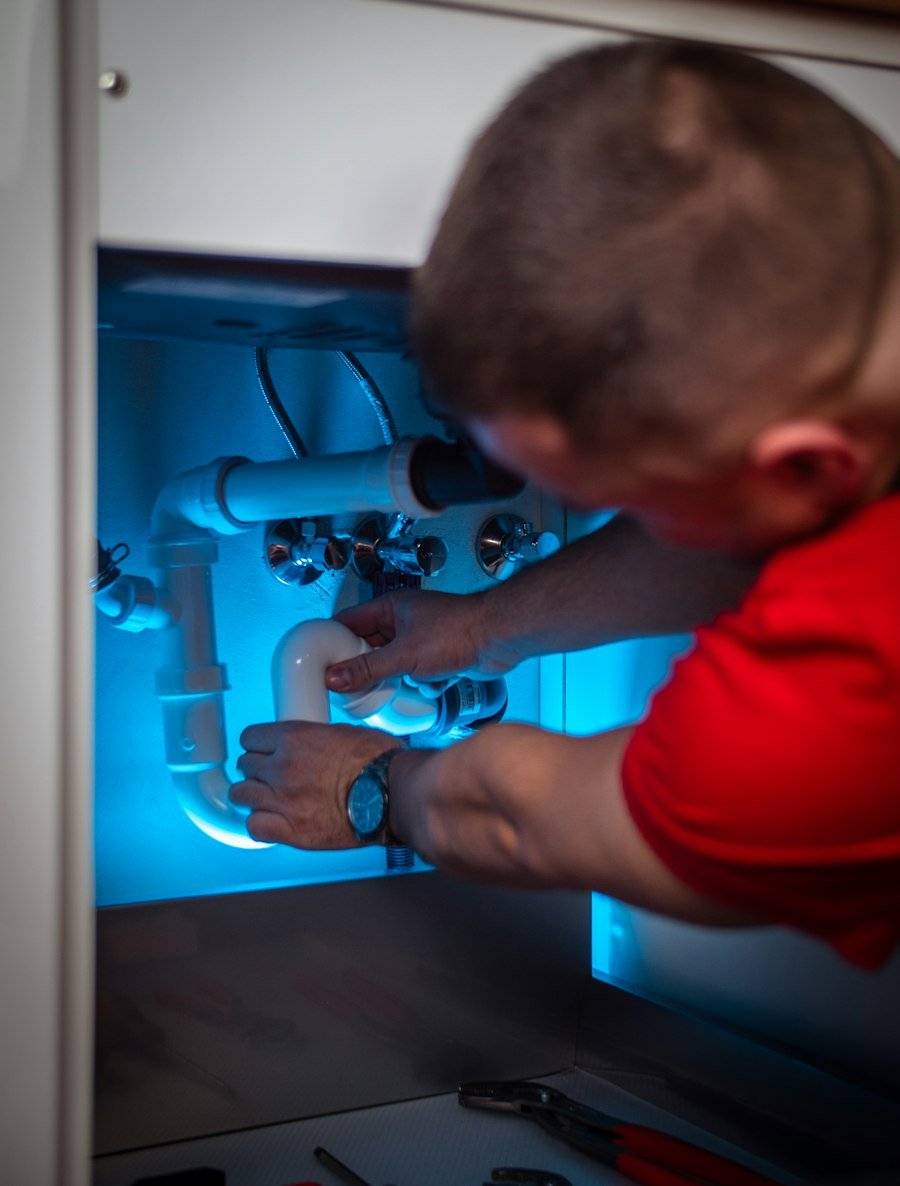
Pine Rooter technician performing hydro jetting service in Bothell, WA
4,000 PSIPressure
5.0 Stars45 Reviews
10+ YrsExperience
5.0
45 Verified Reviews
10+
Years of Experience
Same-Day
Service Available
Licensed
& Fully Insured

What is hydro jetting and when does a pipe need it?

Hydro jetting is a professional pipe cleaning method that uses a high-pressure stream of water, typically between 1,500 and 4,000 PSI, delivered through a specialized nozzle inserted into the drain or sewer line. Unlike a cable machine (snake) that punches a hole through a blockage, hydro jetting scours the entire interior surface of the pipe wall, removing grease, mineral scale, soap residue, silt, and tree roots down to bare pipe.

Why Bothell property owners choose Pine Rooter for hydro jetting

Truck-mounted commercial jetting equipment

Our hydro jetters are truck-mounted units that deliver consistent pressure up to 4,000 PSI with high-volume water flow. This is not a portable pressure washer adapted for drain work. It is purpose-built jetting equipment designed for residential and commercial sewer lines up to 12 inches in diameter.

Camera inspection before and after every job

We never jet blind. A pre-jetting camera inspection confirms that the pipe is structurally sound and identifies the type and location of the buildup. A post-jetting inspection verifies the pipe is clean and documents the result. You see both on screen.

Multiple nozzle types for every situation

Penetrating nozzles for solid blockages, flushing nozzles for grease and scale, root-cutting nozzles for tree root intrusion. The right nozzle for the specific problem means a thorough cleaning without unnecessary stress on the pipe.

10+ years of jetting experience in Bothell

We have jetted thousands of residential and commercial lines across the Bothell area and the surrounding Puget Sound region. We know the pipe materials, soil conditions, root species, and grease-load patterns that drive the drain problems in this region.

Honest assessment of when jetting is not the answer

If the camera shows a pipe that cannot handle jetting pressure, we tell you. We will never jet a compromised pipe just to collect the fee. You get the correct recommendation for your specific situation, even when it means a different service.

Signs your pipes need hydro jetting

  • Drains that clog again within weeks of being snaked or cabled
  • Multiple fixtures draining slowly at the same time
  • Gurgling sounds from drains when water is running elsewhere in the house
  • Persistent sewer odor that returns even after cleaning
  • Commercial kitchen drains that slow down despite regular maintenance
  • Camera inspection showing thick grease coating or root infiltration along pipe walls
  • Standing water in floor drains or cleanout access points

How to prepare for hydro jetting

  • Locate your sewer cleanout if you know where it is. It is typically a capped pipe near the foundation or in the basement. Our technician will find it if you are not sure.
  • Clear a path from the driveway to the cleanout access point. The jetter hose runs from the truck to the pipe entry, so a clear 3-foot-wide path helps.
  • Stop running water at all fixtures 30 minutes before the appointment so the lines are not actively filling.
  • Do not pour chemical drain openers into the line. The chemicals do not help and they create a safety hazard for our technician working at the cleanout.
  • Move vehicles away from the driveway and street near the cleanout so the truck-mounted jetter can park close to the access point.
  • Let us know if the line serves a septic system rather than a municipal sewer connection, since jetting pressure is adjusted accordingly.
  • Have any prior camera inspection reports or plumbing records on hand so the technician can compare current conditions to past findings.

Match your symptom to the right fix

Jetting is not always the answer. Here is a quick way to tell whether jetting, a different service, or a repair is what your pipe actually needs.

How hydro jetting works and why it outperforms snaking

A hydro jetter is a truck-mounted or trailer-mounted unit that pressurizes water to between 1,500 and 4,000 PSI and delivers it through a flexible high-pressure hose. At the end of the hose sits a specialized nozzle, typically with multiple rear-facing jets and one or more forward-facing jets. As the nozzle is fed into the pipe, the rear-facing jets propel it forward while simultaneously blasting debris off the pipe wall in a 360-degree pattern. The forward jets break through blockages and root masses.

The difference between jetting and snaking comes down to coverage. A cable machine spins a cutting head that carves a channel through the blockage roughly the diameter of the cutting head, usually 2 to 3 inches. The rest of the buildup stays on the pipe wall and begins narrowing the line again immediately. A hydro jetter cleans the full circumference of the pipe, removing buildup from the entire wall surface. The result is a pipe that drains at full capacity and stays clear significantly longer.

For a 4-inch residential sewer line clogged with grease, a cable machine might restore flow for 3 to 6 months before the grease closes in again. Hydro jetting the same line typically provides 1 to 3 years of clear flow, depending on usage patterns. For commercial kitchen lines that see heavy grease loads daily, scheduled jetting every 6 to 12 months prevents the emergency backups that shut down kitchens and cost far more than maintenance.

When to jet and when not to

Hydro jetting is the most effective cleaning method available, but it is not appropriate for every pipe. The key factor is pipe condition. A structurally sound pipe, whether it is PVC, ABS, cast iron, clay, or concrete, handles jetting pressure without issue. A pipe that is already cracked, collapsed, separated at joints, or severely corroded can be damaged further by the water pressure. This is why we run a camera inspection before every jetting job.

Full-scope hydro jetting services

From a single residential line to a scheduled commercial maintenance program, one crew handles the full range of jetting work.

Residential line jetting

Full-diameter cleaning for kitchen, bathroom, and main line pipes coated with grease, soap scum, and mineral scale.

Commercial kitchen grease line maintenance

Scheduled jetting for restaurant and commercial kitchen lines that accumulate grease faster than routine maintenance can handle.

Root intrusion removal

Root-cutting nozzles shred root masses at pipe joints, followed by jetting to flush the fragments and clean the joint area.

Scale and mineral deposit removal

High-pressure scouring strips hardened mineral scale and corrosion buildup from cast iron and older pipe materials.

Pre- and post-jetting camera verification

Every jetting job is bracketed by camera inspection, confirming the pipe can handle the pressure and verifying the result.

Scheduled preventive jetting programs

Recurring jetting on a set interval for commercial properties and homes with a history of grease or root buildup.

Drains clogging again weeks after cleaning? That is a jetting job.

Fix It Now

How a hydro jetting job runs from start to finish

Every jetting job follows the same disciplined sequence. No steps get skipped, and you know exactly what is happening at every stage.

1. You call and describe the problem

You speak to a real person who listens to your symptoms, asks targeted questions about which fixtures are affected and how long the problem has been going on, and gives you practical advice on what to do (and what not to do) while the technician is en route. We schedule a same-day or next-day visit based on urgency.

2. Pre-jetting camera inspection

Before any cleaning begins, we insert a push camera into the line to see the pipe material, the location and nature of the blockage, and the structural condition of the pipe. This tells us whether jetting is safe and appropriate, which nozzle to use, and what pressure setting will clear the buildup without risking damage.

3. Upfront pricing and approval

Based on what the camera reveals, we explain what the job requires, present the cost, and get your approval before any work starts. No surprises, no add-ons after the fact.

4. Hydro jetting the line

The appropriate nozzle is selected and the high-pressure hose is fed into the line through a cleanout access point. The jetter scours the pipe wall at the correct pressure for the pipe material, working systematically from downstream to upstream to ensure all debris flushes out of the system.

5. Post-jetting camera verification

After jetting, we run the camera through the line again so you can see the cleaned pipe wall and confirm that the blockage has been fully removed.

6. Clean up and maintenance recommendations

The work area is cleaned, equipment is packed, and we give you a straight answer about the long-term condition of your pipe.

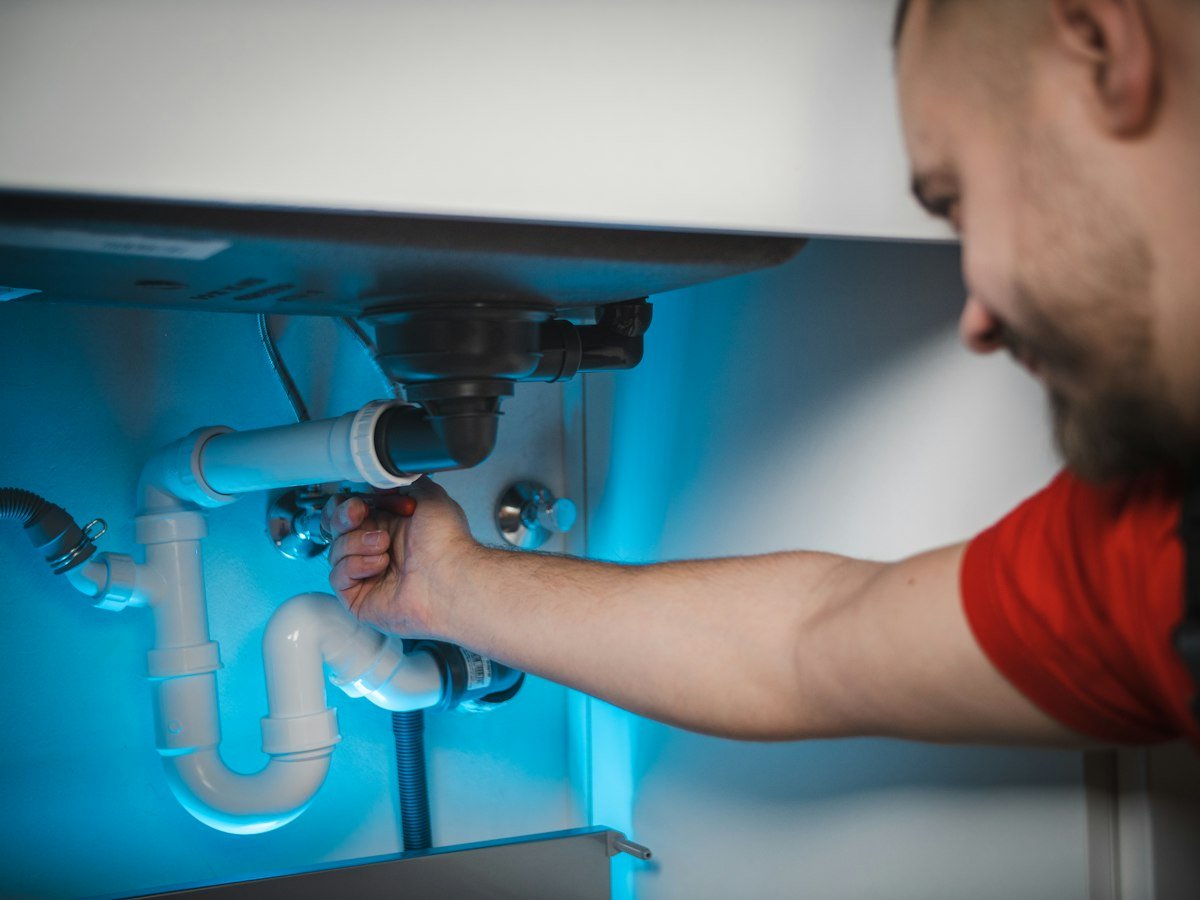
Pine Rooter plumber's hand working during the hydro jetting process in Bothell, WA

What does hydro jetting cost in Bothell?

Hydro jetting costs depend on the line itself and what the camera finds before we start. We provide a specific written estimate after the inspection rather than a generic phone quote.

  • Length and diameter of the pipe being jetted
  • Type and severity of the buildup -- grease, scale, or roots
  • Accessibility of the cleanout or access point
  • Whether pre-cleaning with a cable machine is needed before jetting can begin

Keep jetted lines clear longer

A jetted pipe stays clean far longer than a cabled one, and these habits stretch that interval even further.

  • Schedule residential jetting every 1 to 3 years depending on pipe age and usage
  • Commercial kitchens should jet grease lines every 6 to 12 months, not just maintain the trap
  • Keep grease traps and sink strainers clean between scheduled jettings
  • Get a camera inspection before jetting any pipe of unknown condition or age
Get Your Estimate

Why Bothell pipes need jetting more than most cities

Three conditions specific to the Bothell area and the surrounding Puget Sound region make hydro jetting an essential service rather than a luxury upgrade. Bothell receives an average of 37 inches of rain per year, with sustained wet seasons that keep soil moisture levels high for months at a time. In Bothell's consistently moist soil, roots dive deeper and find sewer lines faster than in drier climates, and the nutrient-rich sewage accelerates their growth once they enter a joint.

Tree-lined residential street in Bothell, WA

Large portions of Bothell, Bellevue, Renton, and Tacoma were built out between the 1940s and 1970s using clay tile and cast iron sewer lines. These materials develop rough interior surfaces as they age, creating anchor points where grease, soap, and organic matter grab hold and accumulate. Hydro jetting strips these accumulations back to the pipe wall in a way that cable cleaning cannot. Bothell's restaurant density also means commercial kitchen lines in this city handle exceptional grease loads, and scheduled jetting, typically every 6 to 12 months, is the standard maintenance protocol that keeps these lines open.

Code and disposal guidance: Local sewer authorities regulate grease disposal from commercial kitchens and generally require a properly sized and maintained grease trap or interceptor -- hydro jetting is maintenance, not a substitute for a functioning trap. Jetting itself does not typically require a permit since no pipe material is added or altered, but any pipe repair or cleanout replacement uncovered during a jetting visit should be performed by a licensed plumber and, where required, permitted before work begins. Always confirm a contractor's WA state plumbing license before authorizing any repair work.

Common hydro jetting questions

It depends on the pipe condition, not the pipe age. A 60-year-old cast iron pipe that is structurally sound handles jetting without issue. A 30-year-old pipe that is cracked or severely corroded may not. That is why we run a camera inspection before every jetting job. The camera shows us the pipe material, wall condition, and joint integrity. If the pipe cannot handle the pressure, we tell you and recommend the correct alternative. We never jet a pipe we have not inspected first.
A typical residential jetting job takes 1 to 2 hours from arrival to completion, including pre- and post-jetting camera inspections. Longer lines, severe buildup, or lines that require multiple passes with different nozzles can take longer. Commercial jobs on larger-diameter lines may take half a day. We give you a realistic time estimate after the initial camera inspection.
For most residential properties, jetting every 2 to 3 years is sufficient to prevent buildup from reaching the point where it restricts flow. Properties with older pipes, large trees near the sewer line, or a history of recurring clogs may benefit from annual jetting. Commercial kitchens typically need jetting every 6 to 12 months depending on grease load. We recommend a schedule based on what the camera inspection reveals about your specific pipe and usage conditions.
A drain snake (cable machine) uses a spinning metal cable with a cutting head to punch a channel through a blockage. It clears a path approximately 2 to 3 inches wide, leaving the rest of the buildup on the pipe wall. Hydro jetting uses high-pressure water to scour the entire pipe wall in a 360-degree pattern, removing all grease, scale, roots, and debris. The result is a pipe restored to near-original diameter that stays clear significantly longer. Snaking is faster and less expensive for simple blockages. Jetting is the right choice when buildup is heavy, the blockage is recurring, or you want a lasting result.
Yes. We use specialized root-cutting nozzles with hardened rotating tips that shred root masses inside the pipe. The high-pressure water then flushes the root debris out of the system. Jetting is more thorough than cable cutting for roots because it removes the fine root hairs that cling to pipe walls and re-grow quickly after cable cleaning. However, jetting removes the roots inside the pipe; it does not prevent regrowth. If roots are entering through a cracked joint, the joint may need repair to prevent recurring intrusion.
No. Hydro jetting is performed entirely through existing cleanout access points. There is no digging, no trenching, and no excavation. The jetter hose enters the pipe through the cleanout and the work happens inside the pipe. The only equipment on your property is the hose running from the truck to the cleanout. Your landscaping, driveway, and yard are not affected.

Other services that work with hydro jetting

Hydro jetting is often part of a complete drain and sewer solution. These related services address the full range of pipe problems.

One call clears it for good

A cable clears the clog. A jetter clears the pipe.

If you are tired of calling for the same drain problem every few months, hydro jetting ends the cycle. One thorough cleaning that restores your pipe to full capacity. Call now for a camera inspection and honest recommendation.

Get Plumbing Help