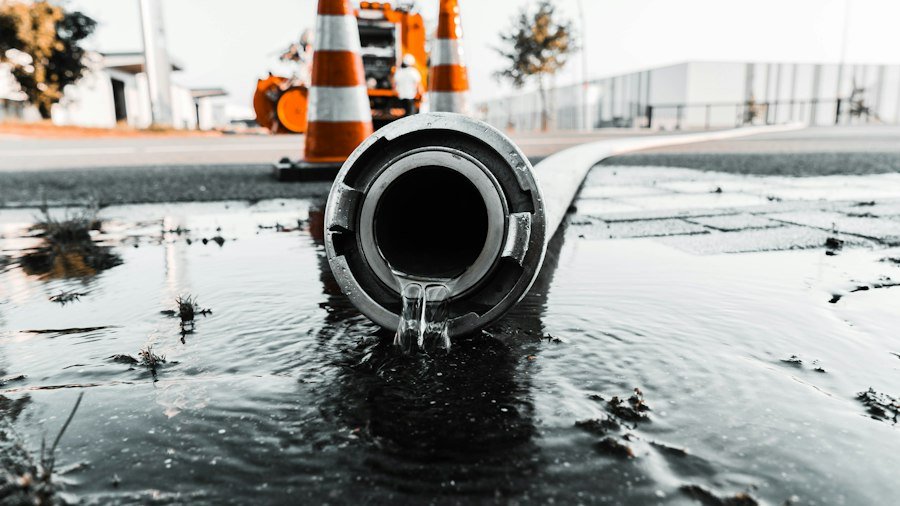
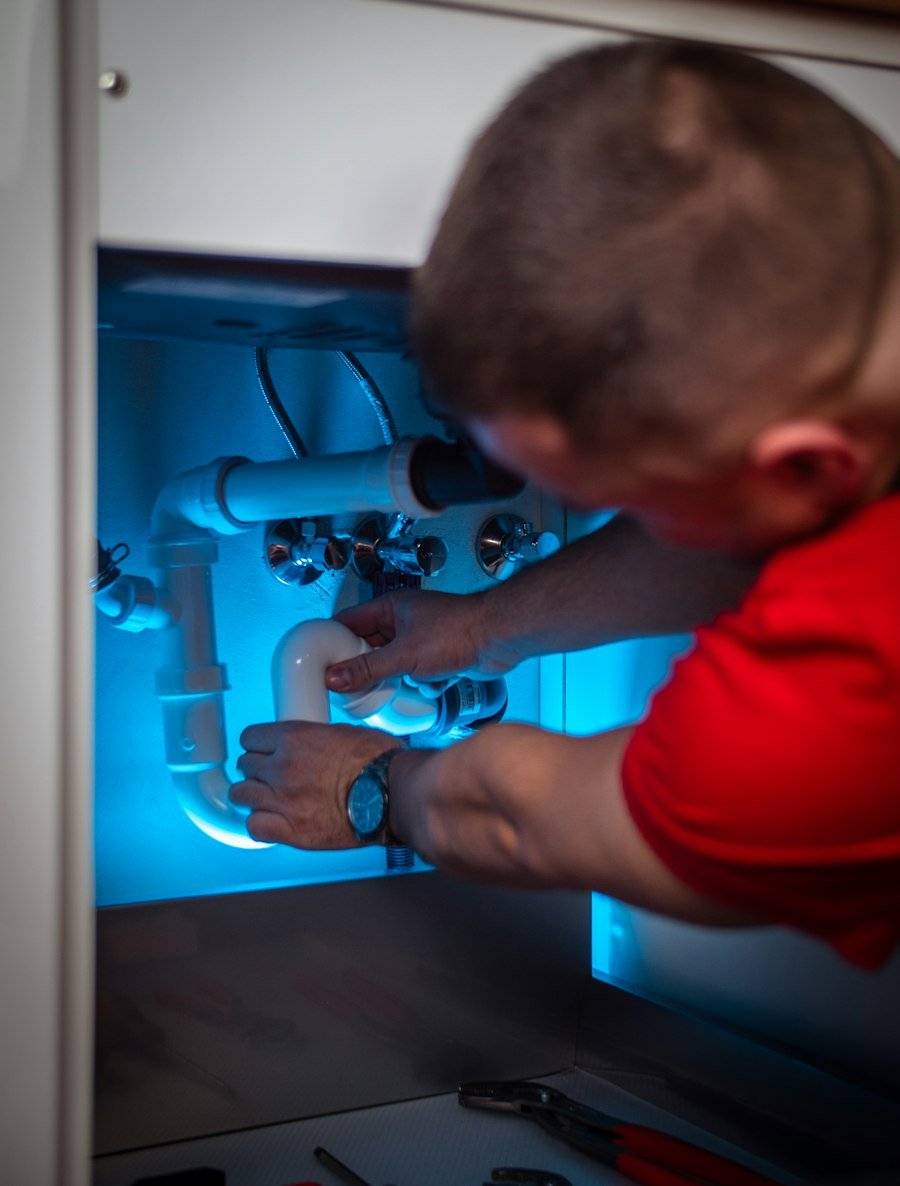
Water spraying from a burst pipe or no water flow on a cold morning? Pine Rooter responds fast to burst and frozen pipe emergencies. We stop the water, assess the damage, and repair the pipe -- from the emergency shutoff to the finished repair.
The first and most important step when a pipe bursts is to shut off the main water supply immediately -- typically located in the crawl space near the front foundation wall, a utility closet, the basement, or an exterior box near the meter. Turn it clockwise until fully closed. Once the supply is off, turn off the water heater so it does not overheat while running dry. Then open the nearest cold water faucets to bleed remaining pressure, mop up standing water, and keep power off to any area where water has touched the floor, walls, or ceiling until it is dry and inspected. If the shutoff valve is corroded and will not turn, call us immediately -- we carry emergency shutoffs and can stop the water quickly on arrival.
Every minute an active burst pipe runs, more water enters walls, floors, and structural materials. We prioritize burst pipe calls and respond as quickly as possible to stop the water and limit the damage. Speed matters more on a burst pipe call than on any other plumbing service.
We stock copper pipe, PEX, CPVC, and common fittings for residential pipe repair on the truck. Most burst pipe sections can be repaired in the same visit as the diagnosis and shutoff, so the house is restored to full water service the same day rather than waiting for parts or a follow-up visit.
For crawl space pipe bursts and in-wall repairs where the extent of freeze damage is not fully visible, we use camera inspection to confirm the repaired section and inspect adjacent pipe sections for any stress damage or micro-cracking caused by the freeze event that could fail shortly after the visible repair is complete.
After completing the repair, we identify the conditions that allowed the pipe to freeze and provide specific, actionable recommendations for protecting that pipe section before the next cold event. This guidance is included in the written report at no additional charge -- it is part of the job, not an upsell.
We hold all required Washington State plumbing licenses and carry liability insurance that protects you if anything goes wrong during the repair. Burst pipe repair in a structure that has experienced water damage requires licensed work -- unlicensed repairs can create issues with homeowner's insurance claims and with code compliance.
Not every cold-weather problem is a burst pipe. Here is a quick way to tell which service actually solves what you are seeing.
An active burst or a frozen line is exactly what emergency pipe repair and safe thawing handles -- shutoff, thaw or repair, and a pressure test before we leave.
This service handles itWhen a burst pipe is combined with sewage backup, gas odor, or damage spreading through multiple rooms, our broader emergency plumbing response coordinates the full situation.
See Emergency PlumbingA pipe that was stressed but did not visibly burst can develop a slow leak inside a wall or under a floor. Leak detection finds it before the water damage surfaces.
See Leak DetectionIf a section of pipe keeps failing every cold snap, patching it again is not the fix. Full repiping of the vulnerable run eliminates the recurring freeze risk permanently.
See Pipe Repair & RepipingFrom an active spray to a preventive winterization check, one truck covers the entire freeze-risk picture.
Fast response to stop an active burst, close the correct shutoff, and limit how far water spreads into the structure.
Controlled heat application that thaws ice without creating the pressure spike that causes a pipe to split.
Copper, PEX, CPVC, and galvanized pipe repair using the correct connection method for the material and location.
Full-system pressure testing after any freeze event to catch stressed sections before they fail on their own.
Identification of the specific conditions that allowed a pipe to freeze, with practical insulation fixes to prevent it happening again.
Shutting down and draining outdoor supply lines before the first hard freeze so exterior connections do not become next winter's emergency call.
Every burst pipe call follows the same sequence to stop ongoing water damage quickly, assess what happened, and complete the repair before we leave the property.
The first thing we confirm when we arrive is that the main water supply is off and no water is actively flowing into the burst section. If the homeowner could not close the main shutoff, we close it immediately on arrival. Every minute water flows is more water in the structure, so this step happens before anything else.
We assess where water has traveled -- into walls, floors, subfloor, insulation, and adjacent spaces. The extent of the water migration determines what access is needed to reach the burst pipe, whether additional structural drying is recommended, and whether any electrical hazards need to be addressed before the repair proceeds.
We locate the burst section -- in the crawl space, in a wall cavity, in the ceiling, or at an accessible fitting -- and determine the access needed to reach it. For pipes in wall cavities, we make the smallest opening that gives adequate working access, rather than opening a broad section unnecessarily.
Burst pipe repair replaces the damaged section with new pipe and fittings. Depending on the pipe material -- copper, CPVC, PEX, or galvanized -- we use the appropriate connection method. A frozen pipe that thawed without bursting is inspected for any micro-cracking or deformation before being returned to service. We carry copper, PEX, and common fittings on the truck for most residential pipe repairs.
After the repair is complete, we restore the main water supply and pressure test the repaired section before opening it to full service. We check every connection in the repaired area for any sign of dripping or weeping and confirm that all other fixtures in the house are receiving correct pressure before closing out the job.
Before we leave, we identify the conditions that allowed the pipe to freeze -- exposed pipe in the crawl space, missing insulation on an exterior wall supply, an unprotected hose bib -- and give you specific recommendations for preventing a recurrence before the next cold event. These recommendations are included in the written report we leave with you.
Burst pipe repair cost depends on where the pipe burst, how much of the pipe was damaged, how it is accessed, and what pipe material is involved. Emergency response does not mean emergency pricing -- we assess the full scope before quoting so you know the cost before any repair work begins.
A handful of low-cost habits meaningfully reduce freeze risk in Bothell's brief but sharp cold events.
Bothell's freeze-thaw risk is concentrated and unpredictable in a way that makes it more dangerous than a consistently cold climate. Bothell averages only three to five days per year when temperatures drop to or below 32 degrees Fahrenheit, but those brief events arrive with little preparation time and affect homes that were not built or maintained with pipe freezing in mind. Pipe bursts often happen not while the water is freezing but hours later as it thaws and the pressure that built up behind the ice plug is suddenly released -- which is why a home can wake up to frozen pipes in the morning and a burst one by the afternoon.
Crawl space pipes are the number one burst-pipe source in Bothell's older housing stock. Homes built on pier-and-beam foundations with open, vented crawl spaces route supply lines through spaces that stay above freezing most winters because of heat rising from the soil -- until a cold snap below 28 degrees that lasts more than one overnight cycle drives crawl space temperatures below freezing and the uninsulated lines freeze within hours. Supply lines against exterior walls, unheated garages, and un-winterized outdoor hose bibs round out the most common failure points across Bothell neighborhoods.
Code and insurance guidance: Repairs to residential water supply piping in Washington State generally must be performed by a licensed plumber, and any repair involving a change to pipe routing or material beyond a like-for-like section replacement may require a permit depending on jurisdiction. Most standard homeowner's insurance policies cover sudden water damage from a burst pipe but typically exclude the plumbing repair itself, treating it as maintenance rather than damage -- always confirm your specific coverage with your carrier, and keep documentation of the repair for any claim.
A burst pipe often reveals other plumbing vulnerabilities. Depending on what we find during the repair call, one of these services may be the right follow-up.